A United States immigration court has ruled in favor of a Chinese citizen who sought refuge, citing a credible threat of persecution in his home country following his documentation of conditions in the Xinjiang region.
The individual, Guan Heng, entered the U.S. unlawfully in 2021 and was subsequently detained during a broader immigration enforcement operation. After a prolonged period in custody, an immigration judge determined he had a legitimate fear of retribution from Chinese authorities should he be deported.
This decision comes amid a significant decline in asylum grant rates in recent years. While government data indicates approval numbers have fallen sharply, this case represents a notable exception.
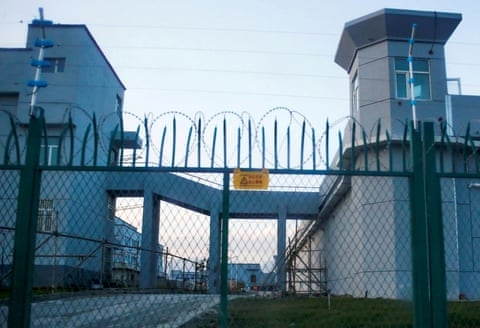
During court proceedings, Guan stated his actions were motivated by sympathy for the Uyghur minority population. In 2020, he covertly recorded video at facilities within Xinjiang. Fearing reprisal, he left China, traveling through several countries before arriving in the United States. He published the footage online prior to his journey.
Guan testified that after the video’s release, Chinese police interrogated his father on multiple occasions, inquiring about his activities and location. The judge found his testimony credible and consistent with the legal standards for asylum protection.
In its defense, the Chinese government has consistently rejected allegations of human rights violations in Xinjiang, describing its programs there as vocational training initiatives aimed at combating extremism and improving employment prospects.
The Department of Homeland Security retains the right to appeal the court’s ruling within a 30-day window. Guan’s legal representative argued that the case underscores the fundamental purpose of asylum, stating the U.S. has both a moral and legal obligation to provide protection in such instances. The judge has urged a prompt decision, noting Guan has already been detained for several months.