A brewing technical dispute threatens to overshadow the start of the new Formula 1 season, with several top teams reportedly concerned that rivals may have exploited a regulatory grey area to gain a significant performance advantage.
The controversy centres on the new generation of hybrid power units, a cornerstone of the 2026 technical regulations. According to sources within the paddock, Mercedes and Red Bull are alleged to have engineered their engines in a way that could yield a lap time benefit of several tenths of a second—a substantial margin at motorsport’s highest level.
The specific issue involves the engines’ compression ratios, a critical factor in power output. While the rules define a set ratio under static conditions, it is believed the designs in question utilise materials that thermally expand during operation. This expansion effectively increases the compression ratio and engine power on track, while still complying with the letter of the law during official, stationary tests.
This perceived loophole has prompted formal concerns from Ferrari, Audi, and Honda, who supply engines to Aston Martin. The matter is set to be a primary agenda item in urgent discussions between the FIA, the sport’s governing body, and all engine manufacturers ahead of pre-season testing.
Representatives from the concerned manufacturers have voiced their unease. Honda’s leadership acknowledged that development has been challenging under the new rules, while Audi’s technical chief suggested that if the performance gap is real, it would represent a significant competitive imbalance. There have been calls for the FIA to clarify the regulations’ intent.
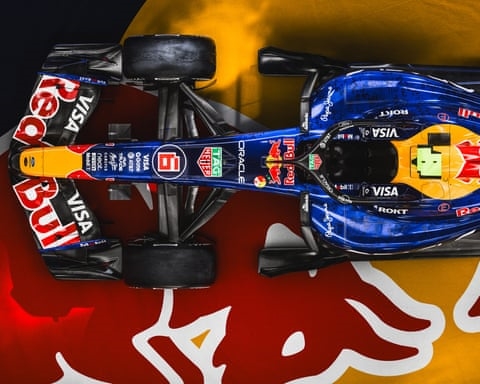
In response, Red Bull, which is fielding its first in-house engine this season, has defended its approach. The team’s technical director stated their design pushes to the absolute limit of what is permitted, arguing that mastering such engineering nuances is fundamental to Formula 1. He expressed confidence that their solution is fully legal.
The FIA has indicated that while the regulations could be subject to future clarification, no immediate changes to the technical rules or measurement procedures are expected. This leaves the sport facing the prospect of a fragmented competitive field when the season begins, with a potential early advantage for some teams that may prove difficult for others to overcome.