After a long absence, I recently returned to my virtual island in a popular life-simulation game. The experience was not what I expected. The game had received a significant update, and a new console version offered enhanced visuals and performance. While I had briefly logged in for a family celebration last year, my last meaningful visit was years ago, during a period of global lockdowns. Back then, this digital escape was a daily refuge.
Stepping back into the game, my character emerged from her now-sprawling home, looking disheveled from her long slumber. I braced for decay, but found my island largely unchanged. A few weeds and some basement pests were the only signs of neglect. The pathways I’d built still wound their way to familiar shops and the museum. A friendly owl curator greeted me and promptly enlisted my help in a new quest to find a barista, a feature added since my departure.
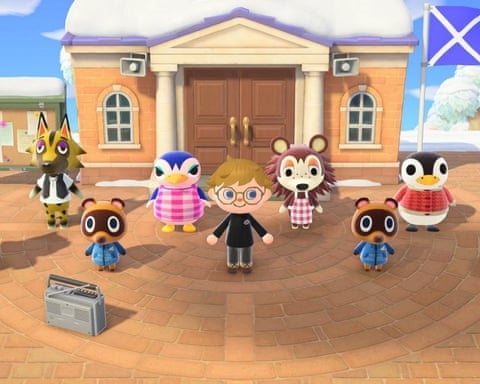
One of my original animal neighbors, a penguin, cheerfully noted it had been over four years since my last visit. The realization was jarring, but the game’s charming residents held no grudges. They seemed perfectly content, carrying on in my absence.
Re-exploring the island was a journey through my own past. I discovered forgotten projects: a half-finished zen garden on a cliff and a seaside playground I’d built when real playgrounds were off-limits. Every detail, from the custom flag to the island’s theme tune, reflected a deep sense of homesickness I felt while confined to a small apartment during that era.
A check of my in-game finances revealed a fortune amassed from past activities. With a sense of finality, I used the funds to pay off the last of my character’s home loan, a symbolic act of liberation from the game’s infamous, loan-offering raccoon tycoon.
The update introduced new content, including a hotel run by a quirky family on the pier. While interior design was never my forte, the process has been streamlined, making it easier to decorate rooms. The rewards—miniature replicas of classic gaming hardware—inspired plans for a new project back at my virtual house.
Some players have chosen to completely restart their islands, a commitment I admire. New tools now simplify major landscaping projects, allowing for easier terraforming and placement of structures. To my surprise, I also discovered the game has added farming and cooking, mechanics entirely new to me. Now, my morning routine includes making a virtual smoothie before tending to the island.
The gentle, daily rhythm of the game quickly felt familiar again. Its core appeal remains its flexibility: it can be a peaceful five-minute check-in or a deep creative outlet. While the latest update offers expansive new features for dedicated players, the game never feels demanding.
The series itself has roots in a developer’s personal experience of loneliness after a move, a desire to create a digital community. It’s fitting, then, that years later, this very game provided a global sense of connection for millions. Returning to my island was a hesitant step, but I was pleasantly surprised to find it not just preserved, but improved—a quiet, comforting world waiting, unchanged and yet full of new possibilities.