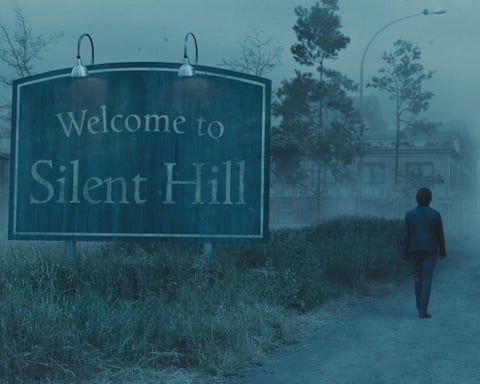
Two decades after his initial foray, director Christopher Gans has returned to the fog-shrouded, ash-covered streets of Silent Hill. This latest cinematic chapter, drawing from the lore of a popular video game sequel, attempts to rekindle the unsettling atmosphere of its predecessor but ultimately wanders in circles, struggling to find a compelling narrative path.
The story centers on James, a painter who, after a whirlwind romance with a woman named Mary, is drawn back to the abandoned town by a cryptic message. Driven by a desperate hope of reunion, he ignores every ominous sign and local warning to venture into the desolate municipality, now more a graveyard than a community.
The film employs a structure flashing between the couple’s past and James’s perilous present. This technique initially builds a sense of doomed romance and mystery, suggesting deeper secrets behind Mary’s peculiar circumstances. However, the foundation of their relationship feels hastily assembled, making James’s unwavering, perilous devotion more puzzling than poignant.
A central issue emerges in the protagonist’s demeanor. James traverses this nightmare landscape with a curious, often detached resolve rather than palpable terror. While intended to reflect his obsessive love, this choice drains scenes of suspense, reducing many encounters with the town’s grotesque inhabitants to mere bizarre interruptions rather than escalating threats. The horror becomes a series of macabre sights to be observed, not a visceral experience to be feared.
Visually, the film offers striking, grim imagery—from monstrous creatures to cleverly fractured perspectives—that echoes the game’s distinctive aesthetic. Yet, these moments feel unmoored. Without a solid grounding in a relatable reality, the entire journey risks feeling like an extended, incoherent nightmare, which dilutes the impact of its scares.
The production seems caught between translating a video game’s exploratory nature and delivering a driven cinematic narrative. It captures the look of a haunted world but often forgets to fill it with a story that moves with purpose or urgency. The result is an experience that, much like its determined hero, presses forward bravely but without a clear sense of direction, leaving audiences to wonder if some places are better left unexplored.