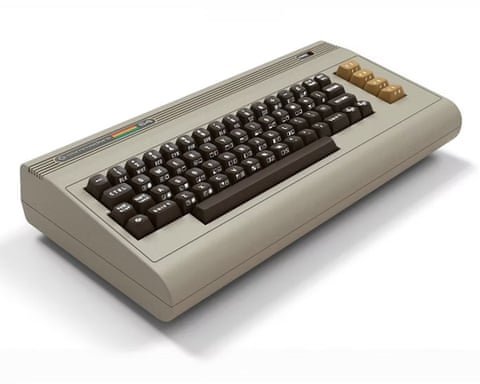
The unboxing experience delivers a potent wave of nostalgia. The packaging, a deliberate echo of the original, gives way to a meticulously recreated machine—the familiar “breadbox” design in its classic brown and beige, complete with the iconic red LED. It’s a direct portal to the early 1980s.
For many, the Commodore 64 wasn’t just a device; it was a formative chapter. It represented a significant leap forward from earlier microcomputers, boasting color graphics, advanced sound, and a full keyboard that made it feel like serious hardware. Countless childhoods were defined by its library of games and the communal experience of typing in program listings from magazines. The distinctive sights and sounds it produced remain etched in memory decades later.
After the original company’s decline and a long period of dormancy, the Commodore brand has been revived by a team of enthusiasts. Their mission: to faithfully resurrect the spirit of the original machine. The result is this new “Ultimate” edition.
This isn’t merely a plastic shell running software emulation. At its heart is specialized hardware designed to simulate the authentic internal circuitry of the 1980s computer. This technical approach allows for remarkable compatibility. Original peripherals like tape drives, disk drives, and game cartridges can be connected and used. Charming details, like simulated disk drive noises when loading digital files, enhance the retro atmosphere.
Yet, it is also a bridge to the present. The machine boots to the familiar BASIC prompt with its blinking cursor, ready for programming. But a second mode unlocks a modern menu system. Users can load software from a USB drive (conveniently shaped like a cassette) or connect to the internet via Wi-Fi to access vast archives of classic software and community-driven bulletin board systems.
This seamless duality is its greatest strength. It connects to modern displays via HDMI, yet the interface remains refreshingly simple—text lists, keyboard navigation, and a distinct lack of clutter. Using it requires a degree of engagement and understanding often absent from today’s plug-and-play devices. There’s a tangible satisfaction in the process, whether loading a game or writing a simple program.
Priced as a premium product, it naturally raises the question of its audience beyond those seeking nostalgia. Its value lies in its role as a functional piece of computing history. It provides a hands-on connection to an era when home computers were often platforms for learning and creation, not just consumption. The included guide encourages users to explore graphics and sound programming, fostering a deeper understanding of how software works at a fundamental level.
There is also a quiet lesson in its simplicity. Revisiting its library of games underscores how compelling design and clever programming create lasting appeal, independent of graphical horsepower. Demonstrating the machine to a new generation highlights a different digital experience: one without ads, microtransactions, or constant notifications. In an age of overwhelming digital noise, it offers a focused, intentional, and deeply rewarding alternative.