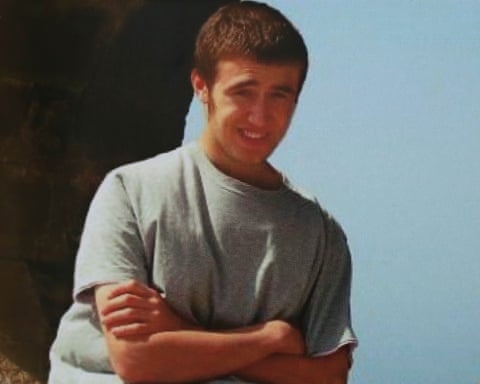
The mother of a man held for nearly a decade without charge in Syria is urgently calling for his return to either the United Kingdom or Canada. This appeal comes as American forces initiate a large-scale operation to relocate thousands of detainees with alleged links to extremist groups from Syria to neighboring Iraq.
Sally Lane, whose son Jack Letts has been detained since 2017, expressed deep concern over the lack of information regarding his fate. She stated that neither British nor Canadian authorities have provided updates following recent hostilities in Syria, which have thrown the future of numerous foreign detainees into doubt. “We’ve been left completely in the dark,” Lane remarked.
Letts, now 30, traveled to regions under extremist control as a teenager. He was later apprehended by Kurdish-led forces and has remained in detention without formal legal proceedings. Several years ago, British officials revoked his UK citizenship, leaving him solely a Canadian national.
In limited media interviews from detention, Letts has previously distanced himself from the extremist group’s ideology, claiming he was imprisoned by them on multiple occasions. His mother believes he has been held in a Kurdish-administered facility but has had no direct contact with him for over ten years.
The US military confirmed last week it had begun an accelerated airlift of detainees, described as a necessary security measure. American officials have engaged with Iraqi leadership to facilitate the transfers and are urging home countries to repatriate their citizens for potential prosecution.
When questioned about the situation, the British foreign secretary noted ongoing discussions with American counterparts on regional security but did not comment specifically on the prisoner transfer operation. The UK has repatriated a small number of women and children in recent years, but dozens of individuals with British connections reportedly remain in detention camps in northeastern Syria.
Legal and human rights observers note the complex challenges surrounding foreign detainees, particularly the risks of flawed judicial processes or severe penalties if they are transferred to Iraqi jurisdiction. Lane argues that if there is evidence against her son, he should face trial in a fair judicial system at home. “The alternative,” she said, “is to abandon people to uncertain and potentially unjust outcomes.”