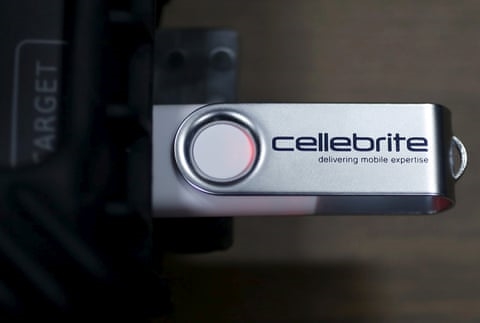
A new investigation alleges that Jordanian security forces have employed digital forensics tools manufactured by an Israeli company to extract data from the mobile devices of activists and protesters. The targets are reported to be individuals who have publicly criticized Israel and expressed solidarity with Gaza.
The findings, detailed in a report by a research group specializing in digital threats, indicate with high confidence that Jordanian authorities used technology from Cellebrite against several members of civil society. These individuals include political activists, a student organizer, and a human rights defender.
When authorities gain physical possession of a phone, tools like Cellebrite’s can reportedly extract a vast array of private information. This includes photos, messages, location history, web browsing data, social media account details, and even information a user may have tried to delete.
The report suggests this use of surveillance technology likely breaches international human rights treaties to which Jordan is a signatory. These treaties impose strict limits on the use of such tools against political dissidents and civil society groups.
Researchers analyzed four mobile phones belonging to Jordanian civil society members who had been detained, arrested, or interrogated between early 2024 and mid-2025. Forensic analysis concluded all devices had been subjected to data extraction using Cellebrite’s technology. The identities of those targeted were withheld over fears of retaliation.
One case study describes a political activist whose iPhone was seized after questioning by intelligence officials and held for 35 days. In another instance, a student activist refused to provide their passcode. Officers allegedly unlocked the phone using facial recognition while holding it to the activist’s face. After being released from prison, the activist received their phone back with the passcode written on tape stuck to the device. Analysis later indicated it had been connected to a Cellebrite system and to a cybercrime unit in the capital, Amman, while in state custody.
In response to inquiries, a Cellebrite spokesperson stated their technology is forensic and intended for use in legal investigations with due process or consent. The company said it vets customers against human rights criteria and investigates allegations of misuse. They distinguished their tools from spyware, which is designed for remote, covert access.
The Jordanian government did not comment on the allegations.
Cellebrite’s products have previously been linked to surveillance of civil society in other countries, including Myanmar and Botswana, with reported use also in Serbia and Belarus.