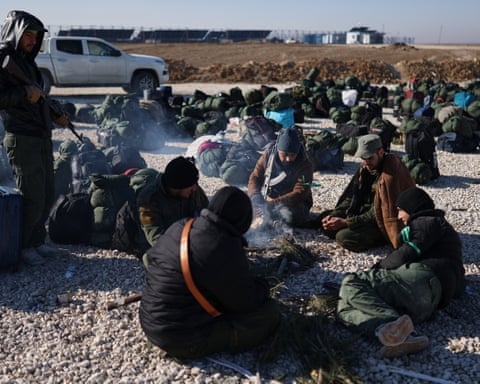
Syrian government troops have entered and secured the al-Hawl detention camp in northeastern Syria, a sprawling facility housing thousands of individuals with alleged ties to the Islamic State. The move follows the withdrawal of Kurdish-led forces that had administered the site for years.
The handover marks a significant shift in the security landscape of the region. Al-Hawl, which holds approximately 24,000 detainees from dozens of countries, has long been described by international observers as a precarious center for radicalization. Concerns have persisted that a security collapse at the camp could enable a resurgence of extremist operations.
Authorities in Damascus stated the transfer was necessary to ensure the facility’s security, alleging that the departing Kurdish forces left sections of the perimeter unguarded, leading to several escapes. Kurdish officials have denied these claims. The incident echoes a similar situation at another detention center in Shaddadi, where reports indicate over a hundred inmates fled during recent troop movements.
This development coincides with a broader realignment in northeastern Syria. Over the past week, Syrian army units have advanced into territories previously held by the Kurdish-led Syrian Democratic Forces (SDF). A temporary ceasefire is currently in effect, intended to facilitate negotiations for a lasting political agreement. Proposed terms involve the SDF surrendering administrative control of most areas to the central government and integrating its fighters into the national military framework.
The camp’s transfer also occurs alongside a separate, large-scale operation by the United States to relocate ISIS detainees from Syria to high-security prisons in Iraq. U.S. military officials have stated this process began recently and could ultimately involve thousands of individuals.
The al-Hawl camp has been a persistent diplomatic challenge, with repeated calls from humanitarian groups for nations to repatriate their citizens for prosecution or rehabilitation. With the Syrian military now in command, the international community watches closely to see how security and humanitarian conditions will evolve at a site long considered a powder keg of instability.