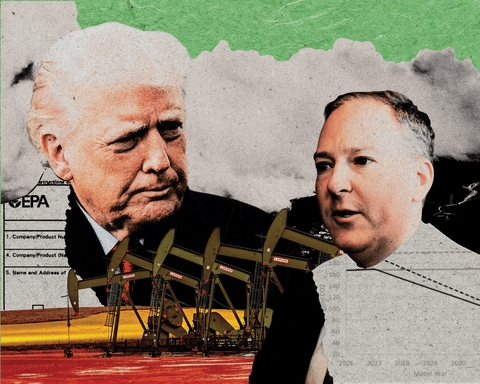
A year into the current presidential term, the U.S. Environmental Protection Agency is facing intense criticism for a series of actions that critics argue represent a fundamental shift away from its core mission. Observers and former officials contend the agency is systematically dismantling long-standing public health safeguards while actively promoting the interests of major industrial sectors.
The agency has initiated dozens of regulatory rollbacks, according to analyses by environmental groups. These include relaxing limits on emissions from vehicles and power plants, removing climate crisis information from official communications, and canceling programs designed to assist communities affected by toxic pollution.
Two recent policy reversals have drawn particular concern from environmental and public health experts. The first is a move to rescind a foundational scientific determination, established in 2009 and upheld by the courts, that greenhouse gases pose a danger to human health. Eliminating this finding would undermine the legal basis for federal climate regulations. The second is a new method for crafting air pollution rules that critics say effectively assigns no economic value to the health benefits of cleaner air, while still factoring in compliance costs for industry.
A former EPA administrator from a prior Republican administration called the direction “revolutionary,” stating that conceiving the agency’s purpose as solely promoting business represents a dramatic break from its historic mission. The current agency leadership has vigorously championed expanded fossil fuel production and criticized previous climate policies.
Internally, the agency has undergone significant changes. Its workforce has been reduced, and enforcement actions against polluters have reportedly declined sharply. A union representing EPA employees has collected anonymous testimonials describing a demoralized staff and a culture where protecting industry interests is prioritized over environmental stewardship.
The agency defends its record, citing hundreds of environmental accomplishments and arguing that fostering affordable energy and technological innovation is essential for long-term environmental and economic health. A spokesperson stated that legal standards are guided by scientific evidence of health risk and rejected characterizations that the agency ignores public health costs.
Despite this defense, a chorus of former officials and policy experts warns that the cumulative effect of these changes risks reversing decades of progress in air and water quality, potentially endangering public health for years to come.