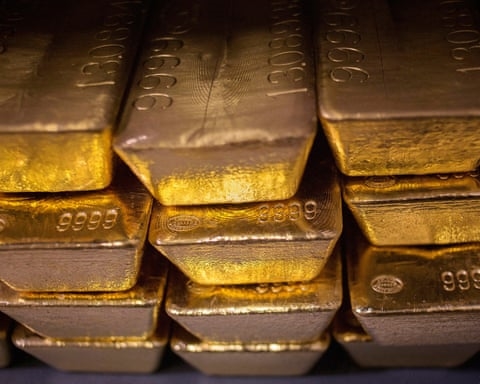
The price of gold has surged past the $5,000 per ounce threshold for the first time in history, establishing a new record as global investors flock to the traditional safe-haven asset. The precious metal reached an intraday peak of $5,100 before settling just below that landmark figure.
This unprecedented rally is widely attributed to deepening geopolitical and economic instability. Recent aggressive trade threats against allied nations and escalating tensions have rattled financial markets, prompting a significant shift away from conventional assets. Analysts note that the climate of unpredictability has eroded confidence in standard investments, driving capital toward gold as a store of value.
Market observers highlight that the current surge is among the most dramatic in modern financial history. One veteran strategist remarked that the scale and speed of the increase recall the inflationary crises of the late 1970s. The bullish sentiment is so pronounced that some forecasts now project an average price well above $5,000 for the year, with potential peaks approaching $6,400 per ounce.
Simultaneously, international currency markets have been unsettled by fiscal policy announcements from a major Asian economy. A new government’s pledge to implement significant, unfunded tax cuts has sparked concerns reminiscent of past debt-driven market crises, given the nation’s substantial public debt burden. This has pressured its currency, though suspected intervention by a major central bank provided temporary relief.
A core concern underpinning gold’s appeal is the perceived vulnerability of the world’s primary reserve currency. There is growing market speculation that authorities may deliberately seek a weaker currency to stimulate domestic industry. Such a move would diminish the attractiveness of key debt instruments, thereby enhancing gold’s status as a foundational asset.
All eyes are now on an upcoming central bank meeting, where policymakers will decide on interest rates amid considerable political pressure to accelerate monetary easing. Expectations of further rate reductions are contributing to forecasts of continued currency softness, a dynamic that historically bolsters gold prices.
This confluence of factors—geopolitical strife, expansive fiscal promises, and shifting monetary policy—has created a perfect storm, propelling gold to its historic valuation as investors worldwide seek security.