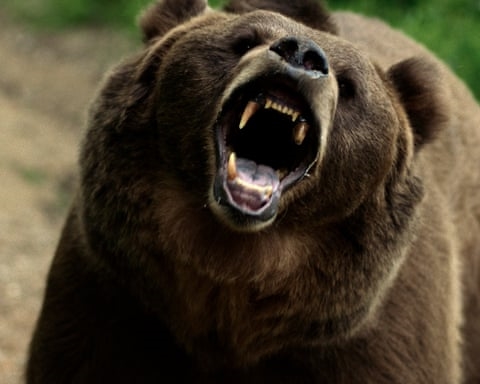
The new survival film Grizzly Night grounds its terror in a shocking true story, but struggles to make its human characters as compelling as its animal antagonist.
Inspired by a tragic 1967 incident in Montana’s Glacier National Park, where two separate fatal grizzly bear attacks occurred in one night, the movie delivers visceral, unnerving sequences of wilderness predation. Director Burke Doeren demonstrates a sharp understanding of the mechanics of fear, particularly in an early, brutally effective attack on a couple in their sleeping bags. The scene captures the sheer helplessness of facing a powerful, wild predator.
The plot follows a group of young park employees and visitors whose plans unravel as fire season complicates park operations. When the attacks begin, a makeshift rescue mission is launched from a remote lodge, with the film meticulously detailing the precarious geography and the desperate medical efforts to save the wounded.
Where the film falters is in its human drama. The 1960s setting often feels unconvincing, and the interpersonal conflicts among the teenagers come across as contrived, failing to generate the intended emotional investment. The narrative finds firmer footing with a subplot involving a rookie ranger forced to lead a tour group, a trial that provides the story with its most substantive character arc.
While the film’s conservation message is well-intentioned, it arrives as a somewhat heavy-handed finale. Grizzly Night ultimately proves it has the claws for effective animal horror, but its grasp on human nature feels less assured.