A series of high-stakes diplomatic and strategic energy moves are defining the current European agenda, as leaders navigate ongoing conflict, forge new economic partnerships, and bolster continental security.
Ukraine Conflict: Talks Continue Amid Stalemate
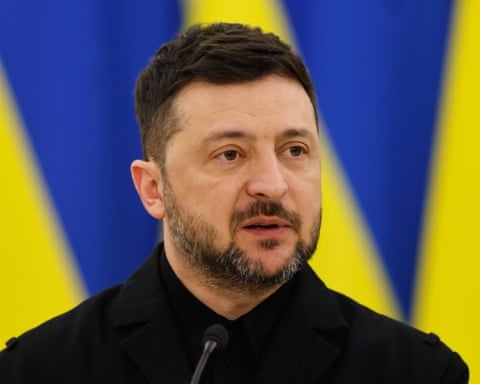
Following a recent round of discussions involving Ukrainian, Russian, and American officials, the path to ending the hostilities remains fraught with difficulty. The Ukrainian leadership reported that while military matters were addressed, significant political disagreements persist, with further meetings anticipated in the coming days. A Russian government spokesperson characterized the talks as constructive in tone but cautioned against expecting imminent breakthroughs, indicating a protracted negotiation process lies ahead.
Concurrently, the humanitarian situation within Ukraine remains severe. The capital, Kyiv, is grappling with a critical energy and heating crisis following attacks on infrastructure, leaving over a thousand apartment buildings without heat during a severe cold snap. Authorities have been instructed to accelerate the procurement of emergency power and heating supplies.
EU-India Forge Major Trade Agreement
In a significant economic development, the European Union and India have concluded negotiations on a comprehensive trade deal. Described as a historic and balanced agreement, it aims to substantially deepen economic integration between the two partners, opening a vast market for goods and services. The pact, pending final legal review, is expected to be formally signed shortly.
EU Advances Ban on Russian Energy Imports
The European Council has formally approved a plan to end imports of Russian natural gas. The phased ban will halt liquefied natural gas (LNG) imports by the start of 2027 and pipeline gas by autumn of that same year, with provisions for existing contracts. The move is designed to eliminate a major source of revenue for Moscow and reduce strategic dependency, though it was adopted over the objections of some member states. Hungary has announced its intention to legally challenge the measure, arguing it infringes on national sovereignty over energy policy.
North Sea Nations Commit to Massive Renewable Grid
Ten European countries, including the United Kingdom, have signed a landmark agreement to develop a major offshore wind power grid in the North Sea. The collaborative project aims to generate up to 100 gigawatts of electricity, transforming the region into a central clean energy hub for participating nations.
EU Launches Investigation into AI-Generated Content
The European Commission has initiated a formal investigation into the social media platform X over its AI tool, Grok. The probe will assess whether the platform adequately mitigated risks related to the spread of non-consensual, sexually explicit deepfake imagery and potential child sexual abuse material generated by the feature. A commission official stated that such content constitutes a serious violation of fundamental rights and has no place in the European digital space.
Regional Security Concerns Heighten
Security assessments in Northern Europe warn of continued aggressive hybrid activities by Russia in the Baltic region. Intelligence reports indicate ongoing espionage, sabotage threats, and efforts to test regional defenses. In response, Finland is establishing a joint maritime surveillance center with Baltic neighbors and EU support to better protect critical undersea infrastructure.
Transatlantic Tensions Over Military Contributions
Recent remarks by the U.S. President questioning the frontline contributions of NATO allies in Afghanistan have drawn sharp rebukes from European leaders. The German Defense Minister labeled the comments disrespectful and inaccurate, noting that allied nations stood alongside American forces. Similar criticisms were voiced by officials from Italy, Denmark, the Czech Republic, and Estonia, all of whom highlighted their countries’ sacrifices in the conflict.