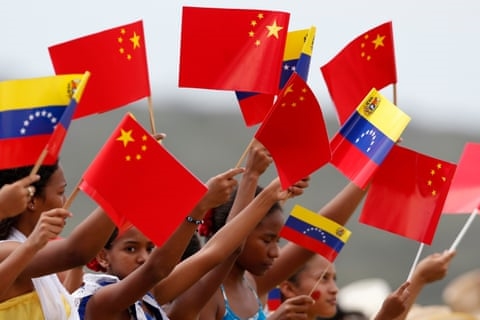
Following a period of profound national crisis, Venezuela’s political landscape has shifted dramatically. The recent transition of power has placed a new figure at the helm, one who is signaling a decisive break from recent policies by advocating for sweeping economic liberalization and renewed international engagement.
In her inaugural address, the country’s new leader outlined a vision of “reform and opening,” explicitly invoking the model of a major Asian nation that transformed itself from an impoverished, isolated state into an economic powerhouse in the late 20th century. Her strategy centers on revitalizing Venezuela’s crippled oil sector by revising restrictive laws to attract desperately needed foreign capital and technology to tap the world’s largest proven reserves. She has also pledged to pursue pragmatic diplomacy, including a potential thaw in relations with long-standing Western adversaries.
This rhetorical pivot has led some observers to draw direct parallels with the historic figure who championed economic pragmatism over ideological purity, famously declaring that the color of the cat did not matter, only its ability to catch mice. Proponents of the new administration argue that only a similar focus on growth and stability can rescue the nation from its deep economic malaise.
However, critics view this narrative with deep skepticism. They argue that the new leadership is attempting to rebrand itself, distancing its key figures from their direct roles in the previous administration’s consolidation of power, erosion of democratic institutions, and oversight of security services accused of human rights abuses. The fundamental structure of political control, they contend, remains unchanged.
Analysts note that the ruling party has studied the Asian model for years, establishing special economic zones inspired by its success. The immediate priority is clear: resuscitate the oil industry, which state-owned firms have been unable to sustain alone. The previous policy of resource nationalism, viable during an era of soaring commodity prices, is now seen as untenable.
Yet, significant obstacles loom. International investors and major energy corporations remain wary, citing legal uncertainties and a challenging operational environment. Some economists doubt that substantial foreign investment will materialize under the current conditions.
Furthermore, experts caution that the Asian precedent suggests economic liberalization does not inherently lead to political liberalization. In that model, the ruling party maintained a firm grip on power throughout decades of explosive growth, systematically suppressing dissent and avoiding any move toward a multiparty system. The end goal was not democracy, but a more prosperous and technologically advanced form of authoritarianism.
The international response adds another layer of complexity. Some foreign powers, prioritizing stability and energy security over democratic principles, have appeared willing to engage with the new administration, effectively sidelining the country’s established democratic opposition.
The central question now is whether Venezuela can replicate the economic aspects of this foreign model while avoiding its political trajectory. The new leadership promises a chapter of renewal and opening. Whether this translates into genuine recovery for the Venezuelan people, or merely a more efficient consolidation of authority, remains to be seen. The world is watching to see if this cat can catch any mice.