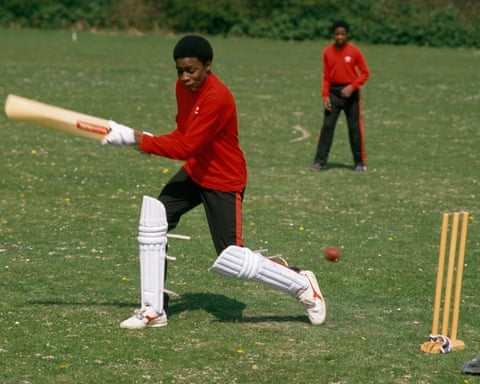
For decades, a vibrant network of cricket clubs, born from the Windrush generation, quietly shaped the sporting landscape of England. Operating largely outside formal leagues, these wandering sides—with names like Carib United, New Calypsonians, and Starlight—provided a crucial foundation for community and talent. Yet, as their numbers have sharply declined since the late 1990s, their rich history risked fading from memory.
Now, a dedicated archival effort is ensuring that story is preserved. A new historical project has catalogued over 130 such clubs established across England, from Brixton Beehives in London to West Indian Carib in Nottingham. This research reveals that by the 1980s, a vast infrastructure of Caribbean cricket had taken root, serving as far more than just sporting outlets.
For new arrivals from the Caribbean, these clubs were vital community hubs. They offered a safe space to play, mutual support, and a way to build social connections in a new and often unwelcoming environment. For their British-born children and grandchildren, they became a refuge and a source of cultural pride. Crucially, this network also acted as an incubator for professional talent, directly feeding players into the county system and producing several of England’s first Black Test cricketers.
The decline of these clubs is attributed to broader social changes and a waning connection to the game among younger generations, partly linked to the diminished fortunes of the West Indies national team. While a revival of their former numbers seems unlikely, the ongoing work to document their history finally secures their rightful place in the narrative of English cricket—celebrating their profound contribution to the sport’s culture and community.