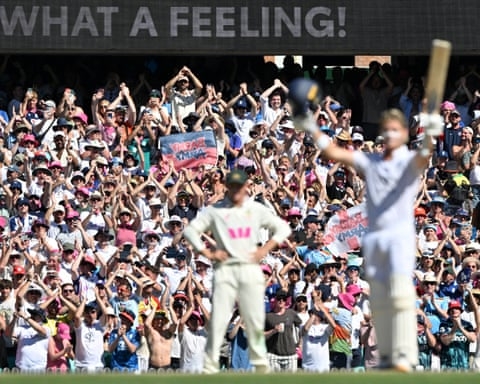
Scoring a century is a cricketing rite of passage, a personal summit that defines a batter’s career. For many, the journey through the 90s feels like a tightrope walk over a chasm, where a single misstep—a solitary run short—can turn triumph into lasting regret. The anguish of a dismissal on 99 is the stuff of locker-room lore, a unique cricketing heartbreak.
However, emerging analysis suggests this anxiety may be misplaced. Contrary to popular belief, data indicates that the 90s are not a period of heightened risk but often one of accelerated scoring. A recent academic study posits that the surge of nervous energy frequently translates into more aggressive, not more cautious, batting. Researchers found that players actually increase their scoring rate and hit more boundaries as they approach three figures, dubbing it the “nimble 90s” phenomenon.
Statistical history supports this view. Analysis of Test cricket reveals that the segment of an innings from 90 to 99 is, in fact, the ten-run period where a batter is least likely to be dismissed, a trend that has held for decades. The numbers suggest that while the fear is palpably real, the actual danger is statistically low.
This isn’t to dismiss the psychological weight of the milestone. Players, from newcomers to legends, openly speak of the tension, the altered state of mind where every delivery feels monumental. The fear of falling short can be paralyzing, creating memorable tales of batters frozen on the brink.
Yet, the evidence implies a liberating truth for those at the crease: the path to a hundred is often cleared by assertive play, not survivalism. The narrative of the “nervous 90s” may be more a testament to cricket’s capacity for drama than an accurate reflection of risk. The advice, then, for any batter nearing that elusive landmark might be simple. Trust your game. The data says you’re safer than you feel.