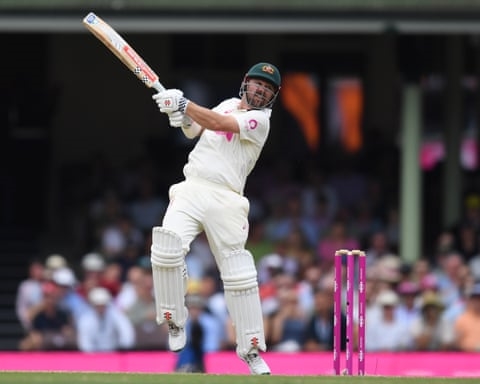
A masterful century from Joe Root guided England to a first-innings total of 384 on the second day of the final Ashes Test, before Australia’s top order launched a spirited reply to reach 166 for two by stumps.
Resuming at 229 for four, England’s progress was built around the former captain, who compiled a classy 160—his second Test hundred on Australian soil. He shared significant partnerships with Harry Brook (84) and Jamie Smith (46), frustrating the home attack for much of the day.
Australia struck with the second new ball, with Michael Neser (4-60) cleaning up the tail, including the prized wicket of Root, to restrict England’s advance.
In response, Australia’s openers navigated a tricky 16-over period before the close. Travis Head led the counter-attack, finishing unbeaten on 91 from 91 deliveries, displaying the aggressive intent that has characterised his series. He shared a century stand with Marnus Labuschagne (48), before Ben Stokes struck twice in the evening session to remove both set batters.
Stokes first trapped Jake Weatherald lbw for 21 and later found the edge of Labuschagne, leaving Head and nightwatchman Neser to see out the day. The hosts trail by 218 runs, setting up a pivotal third day in Sydney.
The day belonged initially to Root, who batted with serene authority, mixing deft touches with powerful drives in a chanceless display until his dismissal. His effort ensured England posted a competitive total on a surface offering increasing assistance to the seamers.
Australia’s reply was assertive, particularly from Head, who raced to a 55-ball fifty. While England’s bowlers, notably Stokes, created opportunities, the tourists will rue a dropped chance off Brydon Carse when Head was on 58, a let-off that could prove costly.
With the series poised and three days remaining, the match hangs in the balance. Australia will look to Head to convert his start into a major score and close the deficit, while England will seek early breakthroughs with the second new ball due in 16 overs.