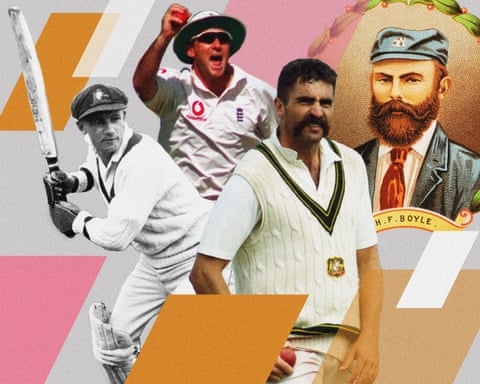
The Ashes rivalry between England and Australia has produced a pantheon of legendary cricketers whose feats have captivated generations. From the early days of the contest to the modern era, certain players have transcended mere statistics to become beloved figures, cherished not only for their skill but for the character and drama they brought to the sport.
The Unyielding Competitors
Some players define themselves through resilience. Jonny Bairstow embodies the turbulent journey of an international career, marked by critical, match-saving innings abroad and a defiant spirit in the face of adversity. His story is one of comebacks and unwavering commitment to the cause.
Similarly, the tale of Simon Jones is one of triumph over physical ordeal. Returning from a severe injury to master reverse swing in the iconic 2005 series, his delivery to dismiss Michael Clarke remains a seminal moment, a perfect fusion of skill and narrative.
Then there are figures like David Steele, the unexpected hero. Thrust into the fray against a fearsome Australian pace attack in 1975, the bespectacled, grey-haired batsman defied all expectations. His courageous batting captured the public imagination, proving that heart and technique could stare down even the most intimidating opposition.
The Masters of Craft
The rivalry has also been shaped by transcendent talents who redefined their roles. Adam Gilchrist revolutionised the wicketkeeper-batsman position, turning innings into spectacles of explosive power. His breathtaking century in Perth in 2006 was not just a display of hitting but a moment of pure, unadulterated joy for spectators.
With the ball, few have matched the aura of Shane Warne. His genius was a theatrical force that enthralled fans on both sides of the divide. While his ‘Ball of the Century’ is legendary, his all-round desperation to win, even in defeat during the 2005 series, cemented a unique legacy of respect and admiration.
From an earlier age, the formidable Syd Barnes stands as a statistical colossus. His staggering wicket-taking record, built on phenomenal skill and a notoriously difficult personality, secures his place as perhaps the most potent bowler to have graced the contest.
The Captains and Characters
Leadership has its own hallmarks. Mike Brearley is often cited as a captaincy intellectual, a man whose primary weapon was his understanding of people and match situations. He proved that leadership itself could be a decisive skill, elevating those around him.
Richie Benaud brought a different kind of charisma. As the glamorous Australian captain in 1961, he combined tactical boldness with personal style, captivating a young audience and delivering decisive performances with both bat and ball.
The rivalry also cherishes its colourful characters. Merv Hughes, with his imposing presence and trademark moustache, personified the relentless Australian mentality of the early 1990s. Derek Randall, meanwhile, brought a joyful spirit to the field, his famous cap-doffing incident towards a furious Dennis Lillee during a majestic innings symbolising a playful courage.
Personal Touchstones
For many fans, favouritism is tied to personal history and aesthetic pleasure. The elegant left-handed batting of David Gower is recalled as high art, a graceful counterpoint to the contest’s inherent tension. For others, it is the raw, wholehearted endeavour of Monty Panesar, whose defiant batting in Cardiff 2009 showcased a profound determination that resonated deeply.
Some choices are bound to specific, formative moments: Frank Tyson’s terrifying pace in 1954-55 heard crackling over long-wave radio; Bob Massie’s mesmerising swing bowling on debut at Lord’s; or the emotional release provided by Kevin Pietersen, whose audacious talent helped end a long era of English disappointment.
From the undisputed greatness of Don Bradman, whose Ashes records may never be challenged, to the gritty revivalists like Allan Border and Steve Waugh who rebuilt Australian pride, the list is as diverse as the game itself. These players, whether through genius, grit, or sheer force of personality, have woven themselves into the rich fabric of Ashes history, ensuring the rivalry burns as brightly in memory as it does on the field.