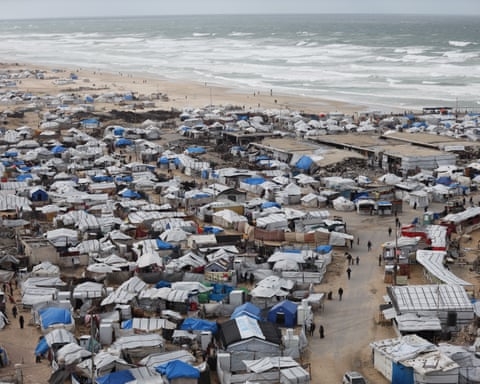
A new evaluation from within Gaza reveals that thousands of tents provided to displaced families are failing to protect them from harsh winter conditions. The findings indicate that shelters distributed by several nations are not waterproof and are structurally unsound, leaving vulnerable populations exposed to rain, wind, and cold.
Recent severe storms have damaged or destroyed thousands of these tents, impacting hundreds of thousands of people. The assessment, compiled by humanitarian shelter experts, concludes that many of the newly delivered tents will likely require complete replacement. Specific issues cited include easily torn fabric, poor construction, lack of flooring, and designs that allow water to pool on roofs.
While tents from some donors met international standards, those from other major suppliers were found to have critical flaws. This situation raises significant concerns about the quality and coordination of aid being sent directly into the territory, a channel that has operated outside traditional UN-led relief efforts. Since a ceasefire took hold, only a small fraction of the tents entering Gaza have been supplied by major international aid organizations.
Authorities overseeing aid access say they are facilitating the delivery of winter supplies, including thousands of tonnes of shelter materials. However, displaced Palestinians and aid workers report that tents available locally are both prohibitively expensive and inadequate for the climate.
The humanitarian situation remains dire. The vast majority of Gaza’s population has been displaced, with large areas reduced to ruins. The prospect of rebuilding homes remains distant due to the divided territory, a crippled economy, and severe shortages of essential materials and services. Compounding the crisis, new regulations threaten to further restrict the operations of non-governmental organizations delivering vital assistance.
For families like that of Jawaher Abd Rabbo, the struggle is daily. Living in a single, damaged room with her husband and three young children, she describes fleeing violence only to face the perils of winter in a makeshift shelter. “Rainwater soaked everything,” she said, noting the lack of warm clothing and blankets. Despite knowing the dangers of staying in a damaged building, she feels there is no alternative.
The ceasefire may have halted large-scale military operations, but for many, suffering persists. “The only thing that changed was the silence of the shelling,” said one young man now living in a tent encampment. “Our daily lives remain almost the same.”
The collapse of unstable buildings after heavy rains has led to further fatalities. With peace talks stalled and a political solution elusive, the immediate future for displaced Gazans is one of continued hardship, as inadequate shelter leaves them dangerously exposed to the elements.