A directive sent to American diplomats in Africa has instructed them to actively remind host governments of the United States’ historical generosity, even as the nation’s primary foreign aid agency is being dismantled.
The internal communication, dated January 2026, was issued by the new head of the State Department’s Bureau of African Affairs. It urges diplomatic staff to be “unabashed and aggressive” in highlighting past U.S. assistance programs, such as those combating HIV/AIDS and famine. The stated objective is to counter what the memo describes as a “false narrative” and to leverage that assistance record to advance American interests.
This guidance aligns with a broader foreign policy shift outlined in a recent national security strategy, which advocates moving from aid-based relationships to ones centered on trade and investment. The memo characterizes Africa as a “peripheral” theater for U.S. interests, requiring “strategic economy” rather than being a core strategic focus.
The directive has drawn sharp criticism from some former officials and observers. One former senior diplomat with extensive regional experience labeled the communication’s tone as “offensive,” arguing it contradicts long-term U.S. security interests. Critics question the message of generosity at a time when aid programs are being curtailed, with one analyst noting the dissonance of emphasizing generosity following the withdrawal of life-saving support.
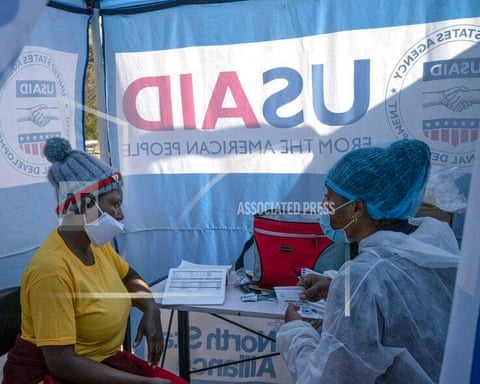
The context for this diplomatic messaging is the ongoing closure of the United States Agency for International Development (USAID). The agency was effectively defunded last year, and the State Department has now circulated a solicitation for private contractors to manage its final shutdown, with a potential contract lasting until 2028. The solicitation notably prohibits bidders from hiring former USAID employees.
The legality of USAID’s dissolution has been contested, as the agency was established by an act of Congress. While a recent funding bill in the House seeks to authorize the closure, the process has proceeded without formal congressional approval. Opponents of the move argue it undermines global anti-corruption efforts and represents a strategic misstep.
A State Department spokesperson declined to comment on internal communications but reiterated that foreign assistance is viewed as a tool to further national interests, not as charity. The department’s public statements emphasize a continued intent to partner with nations on conflict resolution and to foster new trade relationships.