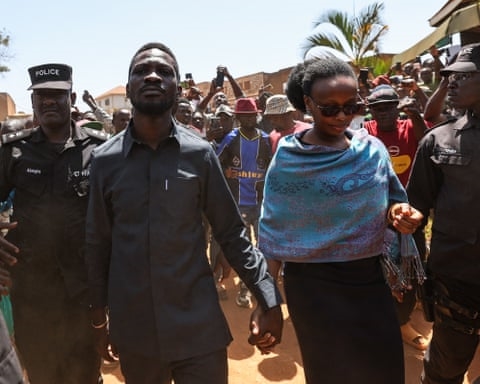
A tense presidential election in Uganda has been marred by widespread allegations of irregularities, including delayed polling, arrests of opposition officials, and a nationwide internet blackout. The incumbent, President Yoweri Museveni, is widely expected to secure a seventh term, extending his rule to over four decades.
The leading opposition candidate, musician-turned-politician Bobi Wine, has publicly denounced the electoral process, accusing authorities of systematic sabotage. In a statement released on social media, he claimed there was “massive ballot stuffing,” the abduction of his party’s polling agents, and a deliberate shutdown of communications. He urged citizens to reject what he termed a “criminal regime.”
Voting was significantly delayed in numerous areas, including the capital, Kampala, due to reported failures in the delivery of ballot papers and malfunctioning biometric voter identification systems. The secretary-general of Wine’s National Unity Platform party declared the morning’s proceedings in much of the capital a “sham,” alleging intentional disruption by the government.
The election period was preceded by a severe crackdown. Security forces repeatedly used teargas, live ammunition, and physical force to break up opposition campaign rallies, resulting in arrests, injuries, and at least one fatality. In the days before the vote, the government restricted mobile services, cut internet access, and ordered several civil society and human rights organizations to suspend operations.
Analysts suggest this heightened repression may indicate ruling party concerns over declining support, particularly among a youthful population that has largely known no other leader. Museveni, who first took power in 1986, is credited by supporters with bringing stability and economic growth after years of conflict. However, critics point to entrenched corruption, authoritarian governance, and the erosion of judicial independence as hallmarks of his prolonged tenure.
While the president has framed the security measures as a necessary response to opposition lawlessness, human rights advocates and international observers have condemned the pre-election environment as one of intimidation and suppressed freedoms. A recent United Nations report accused Ugandan authorities of using legislation to systematically restrict rights ahead of the poll.
The outcome of this election is seen by many as a foregone conclusion, given the incumbent’s control over state resources and the electoral apparatus. However, the process has starkly highlighted the nation’s deep political divisions and raised serious questions about the future of democratic transition in Uganda.