The sprawling, immersive worlds of modern video games might seem like a purely digital-age phenomenon. Yet, according to a leading figure in the industry, their narrative roots stretch back much further—to the dense, society-spanning novels of the Victorian era.
In a recent discussion, a veteran game writer reflected on the surprising parallels between classic literature and the blockbuster titles he helped create. He recalled a moment years ago when a journalist compared his work to that of Charles Dickens. While humbled by the comparison, it sparked a realization: both forms are fundamentally about building a complete, living world.
“There’s that feeling of ‘all the world is here’ in authors like Dickens, Zola, or Tolstoy,” he explained. “That’s exactly what you’re trying to capture in an open-world game. It’s about presenting a society through a specific, often twisted, prism.”
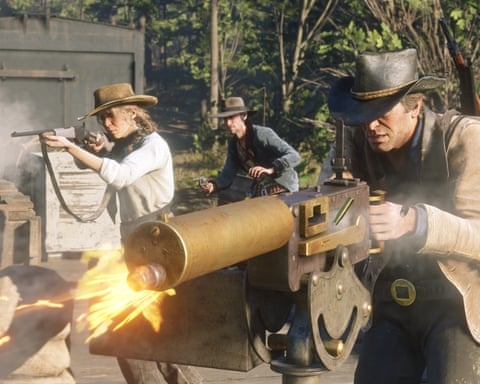
This literary connection became a direct inspiration during the development of a major western-themed title. To find the right tone for the game’s dialogue and atmosphere, the writer immersed himself in Victorian novels, listening to George Eliot’s Middlemarch daily. He blended its nuanced character studies with the pacing of Arthur Conan Doyle and the tropes of classic cowboy stories.
“The goal was to make the writing feel more novelistic,” he said. “We wanted to flesh out three-dimensional lives for the characters and capture a 19th-century sense of stakes—where life and death felt immediate and tangible, which is very different from how we experience it today.”
This approach highlights a refreshing departure in an industry often accused of recycling the same fantasy and sci-fi influences. Looking to the sprawling narratives and social realism of 19th-century literature offers a rich, underexplored vein for interactive storytelling.
As this writer embarks on new ventures, the question remains: how will these literary foundations influence the next generation of virtual worlds? Perhaps the future of open-world design lies not in newer genres, but in revisiting the narrative depth of much older ones.