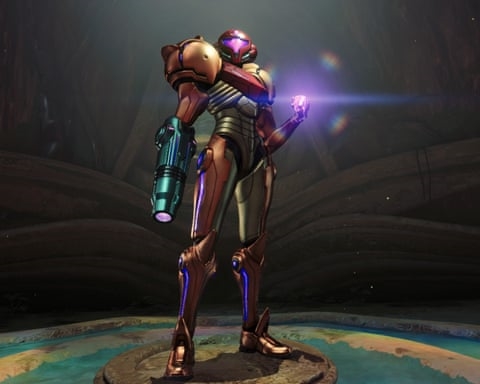
A lone figure in powered armor moves through a silent, frozen complex. The only sounds are the crunch of ice underfoot and the hum of dormant machinery. This is the heart of the experience in the latest installment of a long-dormant sci-fi series, a deliberate and atmospheric adventure that feels transported from another era of game design.
Players once again assume the role of the galaxy’s most formidable bounty hunter, exploring a distant planet scarred by a lost civilization. The gameplay is a methodical blend of exploration and combat, built on a foundation of acquiring new abilities to access previously unreachable areas. The visual design evokes a distinct biomechanical aesthetic, and progress is often gated by confronting massive, screen-filling creatures in dedicated arenas.
New abilities augment the classic arsenal, including psychic powers that manifest as a violet aura and a transforming vehicle for traversing hazardous open terrain. Control is offered through traditional means or a more direct pointing method, though extended use of the latter can prove physically taxing.
The title’s greatest strength is its commitment to a deliberate, lonely pace. It forgoes modern staples like constant guidance and rapid fast-travel, opting instead for a slow unfurling of its world. This results in a experience that is often cryptic and demands patience, from scanning environments for clues to retracing steps across large, if sometimes sparsely populated, zones. This design philosophy extends to its save systems, where lapses can necessitate significant repetition of progress.
This retro approach is somewhat undermined by a new narrative element: a support character who provides unsolicited advice during the initial stages. While this companion is largely relegated to a base camp after the opening segment, other, similarly talkative characters appear intermittently, disrupting the preferred silence of exploration with unnecessary commentary.
Ultimately, the game feels like a deliberate anachronism. Its structure and pacing are untouched by contemporary trends, which will be a virtue for those seeking a specific, nostalgic brand of sci-fi adventure. It is less a reinvention and more a deliberate, warts-and-all revival, where the sheer rarity of its genre makes its old-fashioned and sometimes frustrating elements easier to forgive. For fans who have waited years, it is a return to a very particular, and largely unchanged, world.