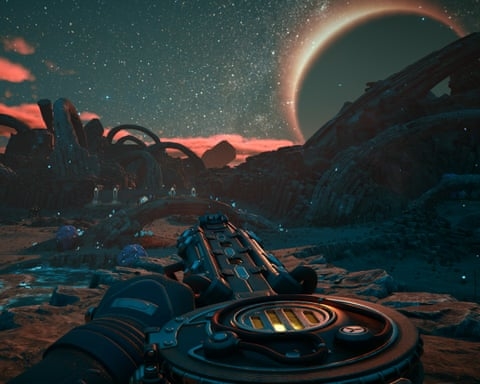
The release of a long-awaited sequel is meant to be a celebration, a chance to return to a beloved fictional universe. In our household, the arrival of Outer Worlds 2 was met with precisely that kind of anticipation. The original title had been a shared favorite, captivating us with its distinctive visual style, sharp writing, and compelling narrative set against corporate dystopia. It was a game that felt crafted with genuine passion.
That collective excitement, however, proved fleeting. The sequel, while technically proficient with solid combat and deep progression systems, failed where it mattered most: its heart. The narrative felt derivative and lifeless, bogged down by ponderous political exposition and dialogue that was often as engaging as reading a corporate manual. The vibrant, character-driven world we remembered had been replaced by a monotonous and unconvincing facsimile.
The shared letdown, ironically, became the catalyst for something valuable. Instead of losing ourselves in the game, we found ourselves deep in conversation about what makes role-playing games truly resonate. We discussed how the genre’s soul lies in compelling storytelling and world-building—the same magic a skilled Dungeon Master brings to a tabletop session. Graphics are secondary; we reminisced about classic games rendered in simple pixels that nonetheless created unforgettable worlds. The key is crafting characters and settings that players genuinely care about, a test this sequel clearly failed.
This reflection underscored a broader appeal of RPGs. In a complex and often unfair world, they offer a pure, if fictional, meritocracy. Through effort and perseverance, a character can grow, overcome challenges, and reap rewards—a satisfying contrast to real-world uncertainties. While Outer Worlds 2 did not deliver on that fantasy, its failure did something perhaps more important. It moved the experience from the screen into the living room, transforming disappointment into a meaningful dialogue about art, design, and what we seek in these virtual escapes. Sometimes, a game’s greatest legacy isn’t the story it tells, but the conversation it starts.