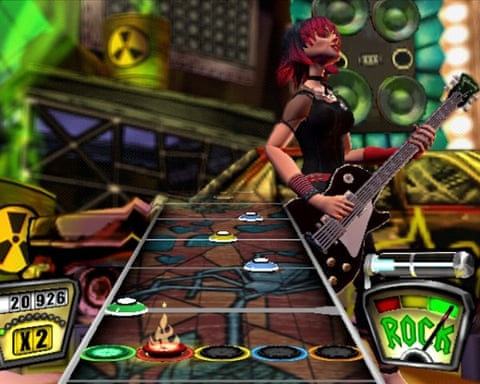
Twenty years ago, a video game arrived with a simple, electrifying promise: anyone could become a guitar legend from their couch. By pairing a plastic, guitar-shaped controller with a stream of on-screen notes, this title didn’t just create players; it forged living-room rock stars and reintroduced the anthems of a bygone era to an entirely new audience.
The game’s magic lay in its accessible design. Players followed scrolling colored notes in time with iconic tracks, translating complex riffs into satisfying button presses. This formula transformed the living room into a virtual stage. For many artists featured, it was nothing short of a renaissance. Classic bands, whose music some had written off as a relic of the past, found themselves blasted through the speakers of a new, younger generation. Parents reportedly thanked the developers for giving their children a gateway to the music they grew up with, turning rock appreciation into a shared, cross-generational experience.
The commercial and cultural impact was undeniable. The game’s explosive popularity shifted the dynamics of music licensing almost overnight. Where developers initially struggled to afford rights, success soon had major artists and record labels eager to be included. Dedicated titles focusing on specific legendary bands followed, with some reports suggesting these games became more lucrative for the artists than their own studio albums, while also driving a significant surge in their music sales.
For newer bands, inclusion was a career-defining moment. One guitarist recalled how a spot on the game served as their primary introduction to the North American market, even earning them recognition from crew members of the iconic headliners they were touring with. Another band saw their most challenging track become a viral sensation within the game, propelling them to household-name status and packing out festival stages. While the guitarist from that band humorously separates the fantasy of the game from the reality of mastering an actual instrument, he acknowledges the profound role the game played in their story.
The core philosophy behind the game was about more than just hitting notes; it was about tapping into a fundamental desire. The founders aimed to use technology to unlock the universal, instinctive thrill of making music and performing, offering everyone a taste of rock-star fantasy.
After a frenetic period of releases, the mainstream fervor for plastic instruments eventually cooled. However, the community’s passion never died. It has been kept alive by dedicated fan projects and modern rhythm games that carry on the spirit. Now, with the original founders involved in a new venture focused on rhythm-based titles, the question arises: is the stage set for a comeback?
The enduring belief is that the concept itself is timeless. With an endless library of new music and a perpetual audience eager for that rush of digital performance, the potential for the next generation to pick up the axe—plastic or otherwise—remains as powerful as ever.