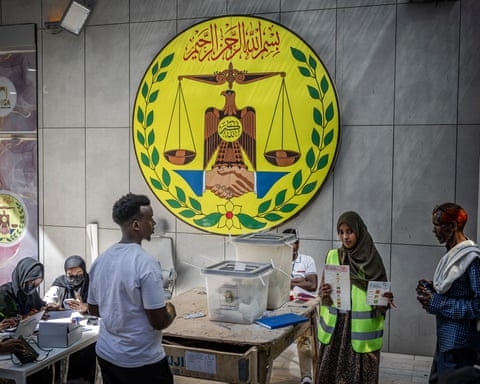
In a significant diplomatic development, Israel has formally recognized the Republic of Somaliland as a sovereign state, marking a first for the breakaway territory. The announcement, made by Israeli officials, has been met with immediate criticism from several African nations and international bodies, who warn the move threatens regional stability.
The Israeli foreign ministry confirmed the establishment of full diplomatic relations, including plans to exchange ambassadors and open embassies. Israeli leadership framed the decision as extending the spirit of recent regional normalization agreements. In a public statement, the Israeli Prime Minister invited Somaliland’s president for an official visit, highlighting a new chapter in bilateral ties.
Somaliland, which unilaterally declared independence from Somalia in 1991, governs its northwestern territory with its own government and institutions but has not been recognized by any United Nations member state until now. It maintains borders with Djibouti and Ethiopia.
The response from Somalia was swift and forceful, denouncing the recognition as a violation of its sovereignty. The African Union issued a strong rebuke, stating it firmly rejects any action that undermines the territorial integrity of Somalia, cautioning that such a precedent could have serious consequences for continental peace.
Further criticism came from other Middle Eastern nations, which accused Israel of pursuing an expansionist agenda and interfering in the internal affairs of a neighboring state.
Analysts suggest strategic considerations likely influenced Israel’s decision. Somaliland’s location on the Gulf of Aden, adjacent to Yemen, offers potential logistical and intelligence advantages. The territory already hosts a military facility operated by a Gulf state, which is involved in the Yemen conflict.
The United States’ position appears divided. While some U.S. lawmakers have advocated for recognizing Somaliland, citing strategic partnerships, others within the administration express concern about jeopardizing existing security cooperation with Somalia’s federal government in the fight against militant groups.
Somaliland’s leadership has expressed optimism that this recognition could pave the way for other nations to follow suit. The territory, with a population exceeding six million, has maintained a relatively stable, democratic system compared to much of the region, though international observers have noted concerns over political freedoms and press rights in recent years.