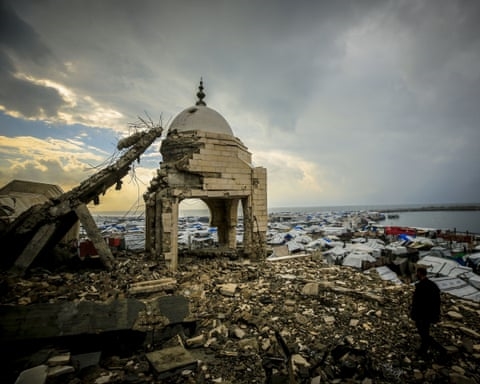
A truce was declared months ago. World leaders hailed it as a step toward peace. But for the people of Gaza, the reality is a different story—one of continued fear, loss, and a crushing siege that has not lifted.
The announcement last fall brought a fleeting moment of optimism. Yet on the ground, little has changed. Military operations have persisted, claiming hundreds of lives, including dozens of children. The sounds of explosions remain a constant backdrop, a grim reminder that normalcy is a distant memory. Residents describe feeling trapped in a maze with no exit, waiting for a peace that is proclaimed everywhere but felt nowhere.
Daily existence is a struggle. Families live in damaged or makeshift shelters, with limited access to water, electricity, and cash. Streets are shattered, making simple movement hazardous. In some areas, entire neighborhoods lie in ruins, with families clinging to unstable structures just to have a roof overhead. As winter sets in, many find themselves exposed to the elements, battling cold, rain, and mud.
A newly imposed boundary within the territory has created further peril. Reports indicate that approaching this invisible line can be fatal. For those living nearby, life is punctuated by the tremors of artillery and the dread of automated explosive devices that can level buildings. Windows stay shut against acrid smoke, while the threat of advanced incendiary weapons lingers in the air.
Amid this, personal lives are fractured. Engagements are postponed, families are separated, and reunions remain impossible due to severe restrictions on movement. The emotional toll is profound—a continuous state of anxiety and suspended hope, which many describe as a torment worse than death.
While international forums debate the future, those whose fate is being decided are absent from the table. The gap between diplomatic promises and tangible change has never felt wider. The Gaza once known is gone, replaced by rubble and resilience.
In the face of this, people cling to fragile moments of solace and the stubborn will to rebuild. As one observer noted, hope here is carried like a necessary burden, a deep-seated force that persists even as the world’s discussions on peace echo from afar. For now, that hope is all there is—a quiet, defiant act of survival in a landscape of broken promises.