The immediate violence in Gaza may have lessened, but the underlying crisis remains unresolved. Military actions continue to uproot families, and while aid flows have improved, critical blockades persist. Beyond the urgent needs for humanitarian relief and security, there exists a profound and growing demand among Palestinians for a clear political future. International discourse often focuses on aid and reconstruction, yet the question of self-determination remains the central, unresolved issue. Recent years have seen Palestinian aspirations for statehood gain unprecedented global recognition, even as formal diplomatic processes remain moribund.
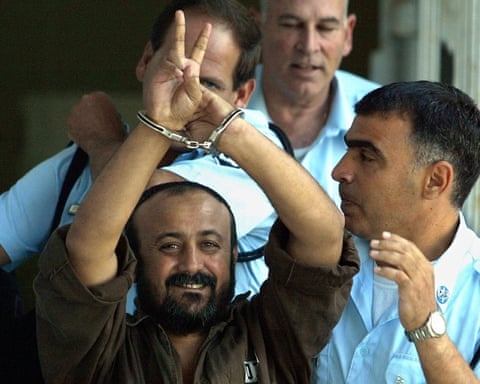
At the heart of this political impasse is the figure of Marwan Barghouti. Imprisoned by Israel for over twenty years, he has emerged as the most resonant leader among Palestinians, seen by many as a unifying force capable of bridging deep internal divisions. Unlike the entrenched and discredited Palestinian Authority leadership, Barghouti commands respect across factional lines, including from elements within Hamas, while also maintaining a longstanding public commitment to a two-state solution and dialogue with Israelis.
This unique position has fueled a growing international campaign for his release, supported by diverse global figures and some sober voices within the Israeli security establishment. The campaign argues that his freedom could re-energize Palestinian politics and create a credible partner for negotiations. Israel’s refusal to include him in past prisoner exchanges, despite releasing individuals convicted of grave offenses, is telling. It suggests a fear not of an implacable enemy, but of a potential statesman whose legitimacy could make Palestinian nationhood a tangible prospect—a reality the current Israeli government is determined to avoid.
Conditions for Palestinian detainees have deteriorated sharply, with disturbing reports of mistreatment. Barghouti himself has been subjected to abuse by officials. The case for his release is not merely symbolic; it is a pressing humanitarian and political necessity. For any serious effort to build a lasting peace, addressing the status of a man viewed by his people as a symbol of their struggle and their future is unavoidable. External pressure may be the only path to securing his freedom and testing the possibility of a new political horizon.