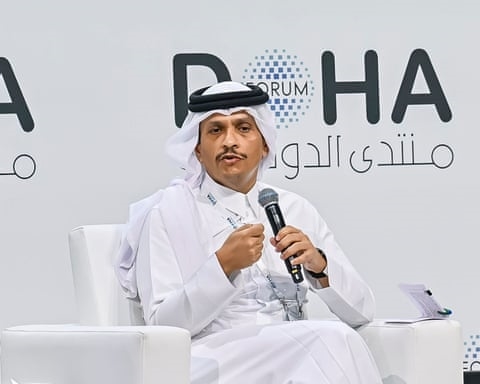
The fragile ceasefire in Gaza faces a critical juncture, with the mediating nations outlining the necessary steps to secure its future. The guarantors of the agreement have stated that a full Israeli military withdrawal and the deployment of an international stabilization force are essential to move the peace process forward.
The current truce, which halted the majority of hostilities, was brokered with international backing. Its initial phase involved a partial Israeli pullback and the release of hostages. However, progress has stalled as discussions turn to the agreement’s next stage.
Key mediators emphasized that the ceasefire cannot be fully realized without these further measures. They argue that the withdrawal of forces and the introduction of an international presence are prerequisites for lasting stability in the territory. Disagreements persist, particularly regarding the future status of armed factions within Gaza, with one group stating it would only relinquish its weapons to a Palestinian authority following an end to the occupation.
Plans endorsed by the United Nations envision a transitional administration for Gaza alongside the international force. Officials involved in the talks report that negotiations are ongoing to determine the force’s composition, command structure, and precise mandate, with a primary objective being the physical separation of the warring parties.
Concerns were also raised about repeated violations of the current ceasefire terms, described as a significant risk to the entire process. Mediators are calling for increased diplomatic pressure to ensure compliance and prevent a collapse of the agreement.
A separate point of contention involves a critical border crossing. While there are calls for it to be reopened for humanitarian aid, conflicting statements have emerged about its intended use, with regional nations firmly rejecting any measures they perceive as leading to the displacement of Gaza’s population.
The coming days are seen as decisive for the truce, with mediators working to bridge the gaps between the parties and implement the next phase of the peace plan.