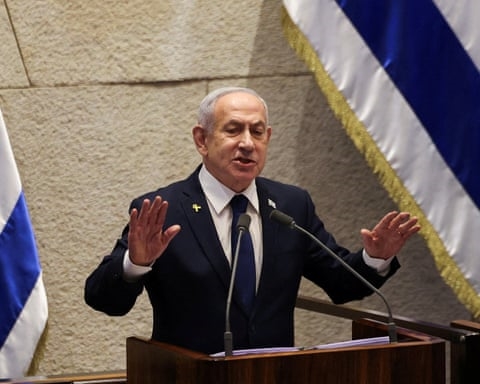
In a move with profound legal and political implications, the Israeli Prime Minister has formally requested a presidential pardon to terminate his ongoing corruption trial. The request, submitted to the office of President Isaac Herzog, argues that ending the judicial proceedings is a necessary step for national unity.
The Prime Minister’s legal team delivered a lengthy submission to the president’s residence. Acknowledging the request, the president’s office stated it had been forwarded to the Ministry of Justice’s pardons department for review. Officials emphasized the extraordinary nature of the appeal, noting that the president would consider it carefully after receiving all relevant legal opinions.
The appeal seeks to halt a trial that has been underway for five years, involving charges of bribery, fraud, and breach of trust. The Prime Minister has consistently denied all allegations, framing the case as a politicized effort to remove him from office.
In a public address, the Prime Minister contended that while his personal interest was to see the trial through to a full acquittal, the national interest demanded a different path. He argued that the prolonged legal process is exacerbating societal divisions and that ending it would help lower political tensions and foster reconciliation.
The request arrives amid a highly charged political climate and follows international commentary urging clemency. However, granting a pardon before a verdict and without an admission of guilt would be without modern precedent. The only comparable instance dates back to 1986, involving pre-indictment pardons for security officials in a markedly different circumstance where those involved admitted guilt and resigned.
Legal experts are deeply skeptical that this decades-old case provides a valid legal foundation for the current request. Constitutional scholars argue that halting an active bribery prosecution for a sitting leader who admits no wrongdoing would effectively place him above the law and could trigger a constitutional crisis, potentially requiring Supreme Court intervention.
Opposition leaders and civil society groups have reacted with fierce criticism, vowing to challenge any move toward a pardon. Key opposition figures stated that clemency would be unconscionable without an admission of guilt, an expression of remorse, and the Prime Minister’s immediate departure from political life. They framed the legal proceedings as a cornerstone of democratic accountability.
The president now faces a historic decision that pits claims of national interest against foundational principles of legal equality and the integrity of the justice system. His ruling will have lasting consequences for Israel’s political landscape and its democratic institutions.