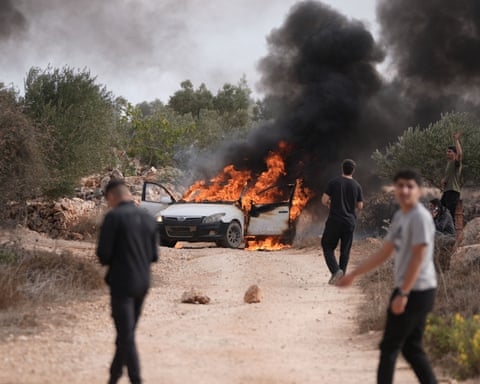
A significant surge in violent incidents is being reported across the West Bank, with Palestinian communities facing intensified attacks and harassment. This wave of aggression is severely disrupting the vital olive harvest and deepening an atmosphere of fear.
Local sources and international monitors document a sharp rise in assaults targeting farmers, agricultural land, and property. Recent weeks have seen numerous attacks, including the vandalism of vehicles, the burning of olive groves, physical assaults on agricultural workers, and the ransacking of a light industrial site where several vehicles were set ablaze. These actions appear to be coordinated efforts aimed at undermining Palestinian rural life.
The timing of this escalation follows the recent cessation of major hostilities in Gaza. Monitoring bodies report that October saw the highest monthly number of such violent incidents in nearly two decades, with records indicating a fourfold increase in attacks against farmers compared to periods before the recent conflict.
One resident from a affected village expressed a widespread sentiment, stating a desperate desire for basic security for his family, lamenting the constant state of apprehension. In one town, a mosque was reportedly defaced and set on fire amid the clashes.
While senior officials have condemned specific, high-profile attacks, calling them shocking and promising legal action, critics argue that such statements are rare and enforcement is consistently lacking. Data suggests that only a small fraction of investigations into settler violence result in indictments, with even fewer leading to convictions.
The violence is not limited to these groups. Military engagements have also increased, with several Palestinian teenagers reported killed by security forces in separate incidents over the past fortnight. The overall Palestinian death toll in the West Bank since last October has now surpassed one thousand.
The economic impact is severe. The olive harvest, a cornerstone of the local economy supporting tens of thousands of families, has been devastated. Annual revenue from olives is now a fraction of its pre-war value, exacerbating a dire economic crisis.
Efforts by international and Israeli civilian volunteers to accompany farmers during the harvest have been systematically blocked by authorities. Groups of volunteers have been detained and deported, with participants describing the measures as a strategic deterrent against solidarity.
The political landscape is seen as a contributing factor, with key figures in the current governing coalition maintaining ideological links to settlement movements and publicly advocating for the annexation of large parts of the territory. The West Bank, occupied since 1967 and considered under international law to be occupied territory where settlements are illegal, remains home to approximately 2.7 million Palestinians.