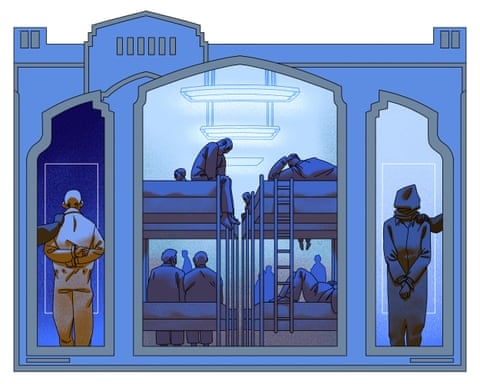
In a prison in northern Saudi Arabia, a grim routine unfolds. Guards enter a segregated ward, and with a quiet word, select an inmate. For those watching, the meaning is clear: another execution is imminent.
This scene is repeated with increasing frequency for foreign nationals, primarily from Egypt, who have been convicted on non-violent drug charges. According to data from human rights organizations, Saudi Arabia has executed at least 264 foreign nationals for drug offenses since the beginning of 2024, placing it among the world’s top executioners.
A moratorium on such executions, briefly instated in 2021, was lifted in late 2022. Since then, observers report a sharp and alarming rise in capital punishment. In one facility, dozens of Egyptian men were held in a special unit. Of a group of 33 present last December, 25 have since been put to death.
Interviews with families paint a picture of a flawed judicial process. Many defendants, they say, could not afford legal representation and faced trials they describe as unfair. Allegations of forced confessions obtained under duress are common. The bodies of those executed are typically not repatriated, with families receiving only a death certificate.
One Egyptian man, arrested in 2016, was among those executed last December. His family had been told his death sentence might be commuted, but he was taken from his cell without warning. His relatives now live with the anguish of not knowing where he is buried.
For other families, the wait is an ongoing torment. They describe clinging to daily phone calls from loved ones as their only connection, with each missed call sparking panic. Support networks have formed among them, sharing fragments of news and fragile reassurances in online groups.
The psychological toll on the condemned is severe. One prisoner was recently hospitalized after refusing food, a recurrence of mental health struggles his family says began before his arrest. In a final, desperate message relayed before his execution, another inmate pleaded not for himself, but for intervention to save the others with him, predicting correctly that all would face the same fate.
Despite the bleak outlook, some families maintain a thread of hope, interpreting dreams as signs of a reprieve or shielding elderly relatives from the truth. They argue their family members are often impoverished and marginalized, caught in circumstances beyond their control, and do not deserve the ultimate penalty for non-violent crimes.