The focus of public debate has shifted from the alleged actions at a military detention center to the identity of the leaker and the damage to institutional reputation. A recent statement by a prominent Israeli journalist encapsulated this sentiment, declaring he would never publish material that portrays soldiers negatively, even if wrongdoing occurred, to protect the country’s global image.
This controversy stems from an investigation opened in mid-2024 into soldiers accused of assaulting a Palestinian detainee. A video, later leaked to the media, purportedly showed the abuse occurring at a military base. Five soldiers were subsequently arrested and charged.
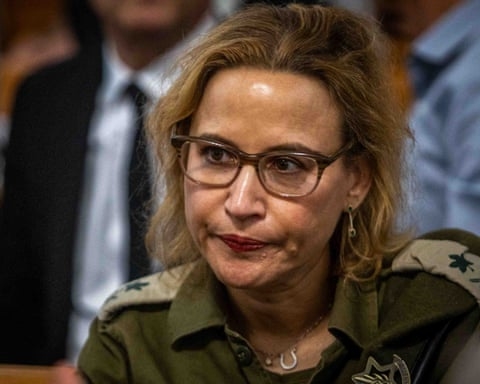
The scandal intensified when the military’s top legal officer was implicated in the leak and an alleged cover-up. An internal probe initially found no culprit, but a routine polygraph test later raised suspicions about unauthorized contacts with journalists. The legal chief resigned at the end of October, stating she had authorized the release of information to counter false propaganda against the army. The situation escalated further when she briefly went missing, was later found, and was hospitalized following an alleged suicide attempt. She now faces potential criminal charges.
Criticism, however, has been heavily directed not at the alleged perpetrators or the leak’s source, but at the media figure who broadcast the footage. That journalist has reportedly been assigned security protection due to threats. A government minister made a suggestive post about his safety, and fans of his favorite football club displayed a banner declaring him unwelcome.
This reaction reflects a broader societal tendency, where soldiers are often viewed as beyond reproach. The prevailing atmosphere suggests that any reporting on alleged misconduct is an unwelcome breach of solidarity. When such information does become public, the resulting outrage is frequently aimed at the exposure itself, denounced by senior officials as a catastrophic public relations attack.
In a recent televised interview, four of the accused soldiers were presented in a sympathetic light, framed as victims. The specific and severe allegations against them—including beatings, the use of a taser, stabbing causing rectal injury, broken ribs, and a punctured lung—were not put to them during the segment.
The legal path forward is unclear. The detainee at the center of the case has since been released and was not formally deposed as a witness after the indictment. Yet, these substantive issues are being eclipsed. The narrative has become consumed by the leak and its fallout, while the fundamental questions about the treatment of detainees and accountability risk being lost.