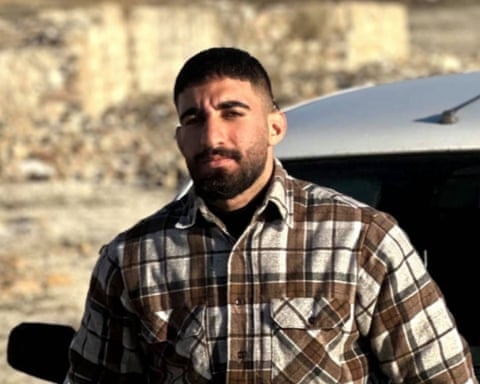
The death of a young Iranian man has ignited a fierce public debate and become a flashpoint for dissent against the country’s leadership. The circumstances surrounding the passing of Omid Sarlak, a man in his twenties, are contested, with official sources and activist accounts presenting starkly different narratives.
According to state-aligned media reports, Sarlak was discovered in his vehicle in western Iran with what authorities described as a self-inflicted gunshot wound. Police have officially stated the death was a suicide.
However, this account is met with deep skepticism by many activists and anti-government voices. They point to a video, posted by Sarlak on his social media just hours before his body was found, which showed him burning a photograph of Supreme Leader Ali Khamenei. Critics argue the proximity of this act of defiance to his death raises serious questions about the official explanation.
The incident has rapidly transformed Sarlak into a symbolic figure for opposition movements. In the days following his death, numerous videos surfaced online showing other individuals burning images of Khamenei in solidarity, explicitly citing Sarlak’s name. Such public acts carry severe legal risks in Iran, where insulting the supreme leader is a serious criminal offense.
Tensions were further inflamed by a widely shared video purportedly filmed at the scene of Sarlak’s death. In the clip, a man identified as his father is heard saying, “They killed my champion here,” with an off-camera voice adding that he was “surrounded and shot.” Later, state television broadcast an interview with the father, who urged the public to disregard social media rumors and allow judicial authorities to investigate. Activists have dismissed this later appearance as coerced, alleging the family is under pressure.
The funeral procession for Sarlak drew hundreds of mourners, who turned the event into a demonstration, chanting anti-government slogans. His death has evoked memories of the nationwide unrest that followed the 2022 death of Mahsa Amini in police custody, tapping into a reservoir of public anger.
Sarlak, an aviation student and amateur boxer, had expressed admiration for Iran’s pre-revolutionary monarchy. In his final social media posts, he called on Iran’s youth to resist, writing, “How long should we endure humiliation, poverty and being ridden over?”
An associate of Sarlak’s, speaking from abroad, told media that the young man had recently sent messages indicating he felt his life was in danger. This individual, along with several of Sarlak’s friends, believes he was targeted by state security services for his political views.
Analysts note that the public burning of the leader’s image, despite the dire potential consequences, signals a bold and risky form of protest. One video shared anonymously shows two men setting a photo alight while declaring, “We burn this photo for justice, for freedom, for hope. I am Omid Sarlak.”
While organized university protests have not yet materialized, sources within student movements report that campus environments remain tightly controlled by security forces. They suggest, however, that public fury over incidents like this continues to build, predicting that significant unrest could emerge in the coming months.
From exile, Reza Pahlavi, son of the last Shah of Iran, has praised Sarlak as a hero who sacrificed his life for the cause of freedom. The case continues to resonate, highlighting the deep divisions and simmering tensions within Iranian society.