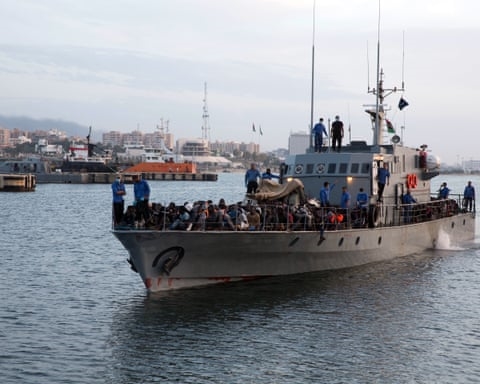
A coalition of thirteen independent search-and-rescue organizations has announced an immediate and complete halt to all operational communications with the Libyan coastguard. The move represents a direct challenge to European Union policy, with the groups condemning the Libyan forces as an illegitimate maritime actor complicit in systematic human rights violations.
The decision follows what the NGOs describe as a pattern of violent interceptions at sea, after which migrants and asylum seekers are forcibly returned to Libya. There, they face detention in facilities widely documented by international bodies as sites of torture, sexual violence, and forced labor. The rescue groups frame their action as a refusal to legitimize a system they say is fundamentally unsafe and is sustained by EU funding, training, and equipment.
In a joint statement, the coalition accused the EU and member states, particularly Italy, of intensifying pressure on civilian rescuers to coordinate with Libyan authorities. This pressure, they argue, makes them complicit in a cycle of abuse designed to deter migration to Europe. “Communicating with these armed actors as if they were a legitimate rescue authority is both legally and morally indefensible,” a spokesperson stated. “This ends our tacit endorsement of a European policy that facilitates crimes against humanity.”
The organizations acknowledge the significant risks of their stance, including potential fines, vessel detentions, and confiscations by European authorities. Despite these threats, they assert a duty to recognize armed militias for what they are, rather than treating them as partners in humanitarian operations.
To consolidate their response, the groups have formed a new alliance, the Justice Fleet. This coalition, the largest of its kind, will publicly document violent incidents involving the Libyan coastguard and coordinate legal strategies. The alliance aims to counter what it calls a decade-long campaign of obstruction and criminalization by European governments, which has included prolonged blockades of rescue ships in port.
Over the past ten years, these civilian rescue vessels have assisted over 155,000 people in the Mediterranean. Their latest move marks an unprecedented collective rupture with official EU-backed procedures, positioning themselves not merely as first responders, but as active challengers to policies they deem unlawful and inhumane.