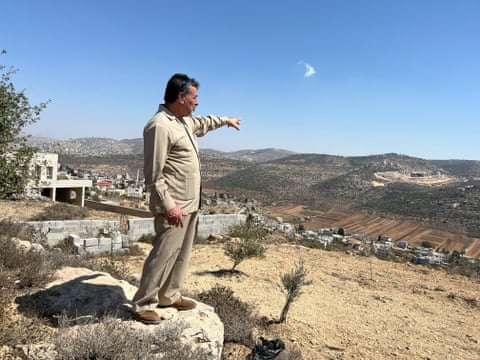
The annual olive harvest, a cornerstone of Palestinian life and economy, has been brought to a standstill across much of the occupied West Bank. Farmers report being systematically prevented from reaching their groves due to violence and movement restrictions, leading to catastrophic economic losses and deepening a humanitarian crisis.
In the town of As-Sawiya, the mayor points to orchards lying fallow just beyond a highway. These family-owned lands are now effectively inaccessible, he states, due to the threat of confrontation with Israeli settlers residing in surrounding communities or with security forces. Local officials estimate that approximately 70% of the town’s olive crop cannot be harvested. This scene is repeated in dozens of villages, where what should be a season of community and prosperity has become one of fear and loss.
Reports from agricultural unions document a sharp rise in incidents targeting the harvest. These include physical assaults on farmers, theft of produce and equipment, and the vandalism of thousands of olive trees. The violence is described by Palestinian advocacy groups as a coordinated campaign aimed at undermining rural livelihoods. Concurrently, military authorities frequently deny or severely limit the permits required for farmers to access their own lands, particularly those near Israeli settlements.
The economic impact is severe. The olive sector supports hundreds of thousands of people in the West Bank. With a majority of farmers unable to work their groves this season, annual revenue has collapsed to a fraction of its pre-war level. In As-Sawiya alone, olive oil production has plummeted. This disaster compounds a broader economic contraction, exacerbated by Israel’s withholding of tax revenues and a near-total ban on Palestinian workers entering Israel.
The escalating situation has drawn warnings from various observers. Analysts note that mass unemployment, unpaid public salaries, and crippling poverty risk fueling greater instability. While Israeli officials cite security concerns to justify stringent measures, the human cost continues to mount. Palestinian communities speak of a cultural and existential threat, framing the olive tree not merely as a crop but as a millennia-old symbol of rootedness and peace.
Despite the pressure, a spirit of defiance persists. “They aim to push us out,” said one local leader, “but we are determined to remain on our land.” As the olives rot on the branches, the harvest’s failure underscores a deepening crisis with profound implications for the entire region.