The initial hope that followed the announcement of a ceasefire in Gaza has been replaced by deepening fear and disillusionment. For many residents, the pause in fighting has not meant safety, but rather a shift to a more unpredictable and terrifying reality where violence can erupt without warning.
This grim new phase was tragically illustrated by the death of Ameen al-Zein. Shortly after publicly expressing optimism and urging displaced families to return north, he was killed in an Israeli airstrike on a school shelter in Beit Lahia. His death, along with over a hundred others reported in a recent 24-hour period, underscores the perilous conditions that persist despite the truce. The strikes, which authorities described as among the deadliest since the ceasefire began, were reportedly launched following militant actions, including an attack on Israeli troops.
The constant threat is altering daily life. Hussain Abu Munir, a nurse, describes his daily commute through a military checkpoint to reach his hospital in the north as a journey filled with dread. The fear of being stranded away from his children in the south by a sudden closure of the crossing is a daily anxiety. His bus was recently caught near shelling, a stark reminder that no route is guaranteed safe.
International officials have expressed confidence in the durability of the ceasefire, with some downplaying the recent violence as minor clashes. However, subsequent Israeli strikes, justified as targeting militant infrastructure, have done little to reassure a traumatized population. Many Gazans now worry their truce will mirror other tense borders, where a nominal ceasefire coexists with frequent military action.
The human cost extends beyond immediate casualties. Ikram Nasser, a teacher, had hoped the ceasefire would allow children to finally return to a semblance of normalcy after two years of disrupted education. She observed a heartbreaking eagerness to learn, with students lining up hours before makeshift tent-schools opened. Yet, this past week’s bombardments have crushed that fragile hope.
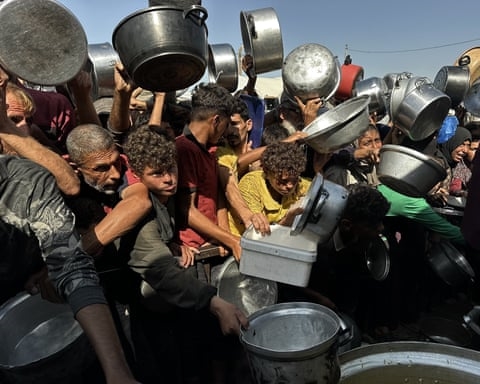
“The children have changed,” Nasser explains. “They’ve become hardened, focused on survival—chasing aid trucks instead of playing. We briefly thought we could bring back routine and safety for them. Now, every new violation of the ceasefire proves that trust is broken. We don’t feel safe at all.”
The prevailing sentiment across Gaza is one of profound uncertainty. The ceasefire, instead of paving a road to recovery, has become a source of new anxieties, leaving people to navigate a landscape where the promise of peace feels increasingly hollow.