The relationship between the White House and the nation’s central bank has entered uncharted territory, marked by a year of sustained public pressure and a direct challenge to the institution’s long-cherished independence. The dynamic has placed the Federal Reserve at the center of a political storm as it navigates a complex economic landscape.
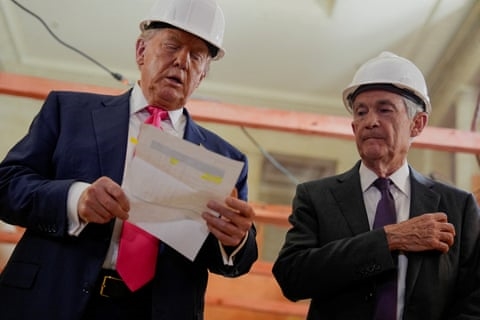
The tension was vividly illustrated during a summer visit by the President to the Fed’s headquarters, where a public disagreement over renovation costs unfolded before reporters. This encounter became emblematic of a broader, relentless campaign of criticism from the administration, breaking from decades of precedent where presidents typically avoided overt commentary on monetary policy.
This pressure campaign has unfolded against the backdrop of a volatile economic year. Aggressive trade policies and shifts in immigration enforcement introduced new uncertainties into inflation and labor market dynamics—precisely the areas the Fed is mandated to manage through its interest rate decisions. After successfully guiding the economy through a period of high inflation without triggering a major downturn, the Fed had begun cautiously lowering its benchmark rate from a multi-decade high by the fall.
However, the administration has consistently advocated for more aggressive rate cuts, arguing that lower borrowing costs are essential for growth. This desire for influence extended beyond public statements. A significant escalation occurred when the White House moved to dismiss a sitting Fed governor appointed by the previous administration, alleging misconduct. That action is now pending a Supreme Court decision that could redefine the limits of presidential authority over the central bank.
Despite the political onslaught, analysts note that the Fed’s policymaking body has so far appeared insulated from direct influence, with its recent rate decisions attributed to economic data rather than political pressure. Market confidence in the institution’s autonomy has remained largely intact, which economists stress is a cornerstone of financial stability.
The focus is now shifting to a looming leadership change. With the current Fed Chair’s term ending next year, the administration has signaled its intention to select a successor who would be more receptive to the White House’s perspective. The potential appointment raises profound questions about the future of the Fed’s decision-making culture, as the chair holds significant sway in setting policy tone and public messaging.
Financial observers warn that any perceived erosion of the Fed’s operational independence could have immediate and adverse effects, destabilizing the very markets the administration seeks to stimulate. The coming months will test the resilience of this critical institution as it balances its economic mandates against an unprecedented level of political scrutiny.