The nation’s largest labor federation is mobilizing its members for a significant political and legislative confrontation in the coming year, framing the struggle as a defense of everyday Americans against policies it argues favor the wealthy.
The organization’s president stated that the past year has seen sustained policy initiatives perceived as hostile to labor interests and worker protections. In response, the federation is preparing a coordinated effort to oppose what it terms an economic agenda prioritizing corporate and high-net-worth interests. This strategy includes supporting political candidates aligned with its goals and challenging existing administrative actions through legal and legislative channels.
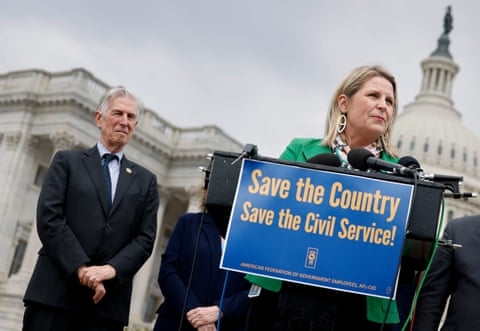
A central point of contention is legislation recently passed by one chamber of Congress aimed at reinstating collective bargaining rights for federal employees, rights that were previously rescinded by executive order. The federation is now focusing its efforts on securing the bill’s passage in the Senate when it reconvenes, an effort it describes as part of a broader campaign to counteract what it calls the most severe assault on union rights in modern history.
The political landscape is further complicated by impending fiscal deadlines and ongoing debates over healthcare subsidies, setting the stage for a contentious start to the legislative year.
Beyond the halls of government, the labor movement is leveraging economic anxiety to build grassroots momentum. With inflation persisting and household debt rising, union leaders report focusing their outreach on so-called “kitchen table” issues like housing, healthcare, and stagnant wages. They argue that public trust in traditional institutions is declining, while approval of labor unions remains relatively high, creating a unique opportunity for organizing.
The federation’s president contrasted this public sentiment with the current administration’s economic messaging, which has at times dismissed widespread financial concerns. She cited record levels of consumer debt used for basic necessities as evidence of a disconnect between official narratives and the lived experience of many workers.
The ongoing strike by thousands of employees at a major coffee chain was highlighted as a symbol of this broader economic divide. Union leadership contends that the economy is increasingly bifurcated, rewarding corporations and top earners while forcing many workers to juggle multiple jobs. They warn that without intervention—such as establishing stronger protections and empowering workers to negotiate—advancing technology threatens to exacerbate this inequality.
The coming year, particularly with midterm elections on the horizon, is seen as a critical test. The labor movement has positioned itself to ask a fundamental question of candidates and officials: which side are they on in the fight for economic fairness? The stage is set for a major clash over the direction of the nation’s labor policy and economic priorities.