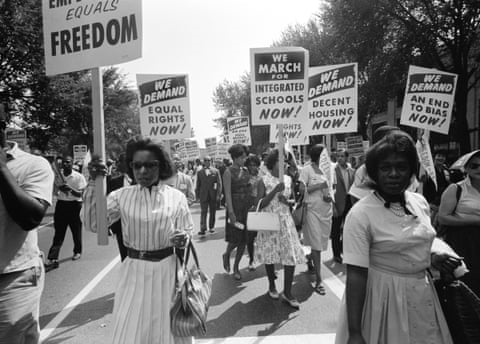
From the abolition of slavery to the fight for marriage equality, the story of the United States is, in many ways, a story of public demonstration. While the immediate headlines often focus on marches and rallies, historians point to a deeper truth: sustained, collective action is a primary engine for social and political change. It is a tool that has repeatedly rewritten laws, shifted cultural norms, and redefined the boundaries of American democracy.
The effectiveness of this tool, however, is not automatic. Decades of academic study reveal that the strategy and character of a protest movement significantly influence its outcome. One of the most consistent findings is the superior power of nonviolent discipline. Movements that maintain peaceful tactics, even in the face of provocation, are far more successful in winning public sympathy and, ultimately, achieving their goals. Historical examples, such as the mid-20th century civil rights campaigns, demonstrate how images of peaceful protesters facing violent opposition can galvanize national opinion and create irresistible momentum for reform.
Conversely, movements that employ or tolerate violent tactics, even if only by a minority of participants, risk alienating the broader public and undermining their cause. Research indicates that public support can erode quickly when demonstrations are associated with property destruction, clashes, or actions perceived as endangering public safety.
Beyond the immediate goal of policy change, protests serve a crucial function in building political infrastructure. A single large-scale demonstration can act as a catalyst, mobilizing first-time activists and creating networks that endure for future battles. Studies of major rallies show that participation often leads to increased political engagement, from running for office to supporting aligned candidates. This “organizational success” can be measured in growing memberships, increased funding, and a more robust coalition, strengthening a movement’s capacity for the long haul.
This community-building aspect is particularly vital at the local level. In areas where certain viewpoints may feel marginalized, the visible act of protest can reassure individuals that they are not alone, fostering a sense of solidarity and shared purpose that persists long after the streets have cleared.
Importantly, the impact of protest cannot be measured by legislation alone. For participants, the act of joining a movement can be profoundly meaningful on a personal level. It can provide a sense of agency, improve emotional well-being, and forge a powerful collective identity. These personal and communal victories are significant achievements in themselves, especially when considering that major social transformations are almost never instantaneous.
The arc of change is typically long, with effects that ripple outward in subtle ways over years or decades. Viewing protest through a wide historical lens reveals its true power: it is less a single event and more a sustained process that gradually reshapes the political landscape, alters public consciousness, and affirms the fundamental right of people to collectively demand a better future.