A former Afghan military pilot, now living in Idaho, is among thousands of Afghans in the United States confronting a sudden and uncertain future following a major shift in federal immigration policy. Having arrived after the 2021 evacuation, many who served alongside American forces now fear detention and removal.
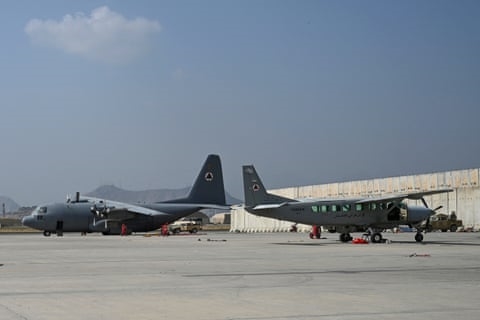
The pilot, who requested anonymity for his safety, described the chaotic final days in Kabul. As a member of the Afghan Air Force, he faced a stark choice as the capital fell: evacuate on a U.S. aircraft or pilot a valuable surveillance plane out of the country to prevent its capture by the Taliban. He chose the latter, flying the aircraft to a neighboring nation.
“I wasn’t going to let that asset fall into enemy hands,” he stated, emphasizing his belief that the United States would honor its commitment to those who aided its mission.
After being granted asylum earlier this year, he began training to become a commercial pilot while working as a rideshare driver. His plans to legally bring his family, including a fiancée still in Afghanistan, to safety were upended last month.
Following a criminal incident in Washington, D.C., allegedly involving an Afghan evacuee, the administration announced a series of stringent immigration measures. These include pausing asylum cases, halting certain visa issuances, and reviewing previously granted statuses for immigrants from specific regions.
Legal advocates report that these actions have effectively frozen legal pathways and created widespread fear within Afghan communities.
“Policies that collectively punish a nationality based on the actions of one individual are fundamentally unjust,” said a director with a refugee legal assistance organization. She noted an increase in Afghans being detained during routine check-ins and a pervasive fear of enforcement actions.
Veterans and advocacy groups who assisted in the evacuation argue the new measures betray a solemn promise.
“The United States is breaking faith with wartime allies,” said the head of a coalition of refugee organizations. “This sends a global message that America is not a reliable partner.”
For the former pilot, the policy shift feels like a profound betrayal of his service. He expressed deep concern for his younger sister’s future and a growing fear that the country he once fought to support now views him with suspicion.
“I dedicated years to that mission, providing protection and intelligence,” he said. “Today, I feel deceived.” Despite his disillusionment with policy, he maintains a distinction, praising the American people who supported refugees while condemning the political decisions that now threaten his security.
As enforcement intensifies, many Afghans who believed they had found safety are now preparing for a renewed fight to remain in the country they risked their lives to assist.