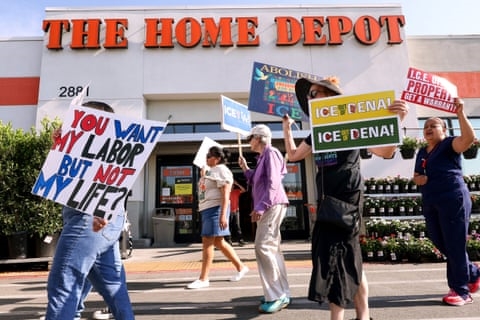
As the holiday shopping season reaches its peak, a significant shift in consumer behavior is emerging across the United States. A growing number of shoppers are deliberately redirecting their spending away from major corporations perceived as aligning with certain federal policy agendas, choosing instead to support smaller businesses and brands that reflect their values.
This movement, gaining traction through organized campaigns, encourages a “buycott” approach—consciously spending money at local, independent, or immigrant-owned stores. Proponents argue this practice strengthens community economies and serves as a form of economic protest. Traffic to online directories that list progressive small businesses reportedly surged to record levels during the recent Black Friday sales period, indicating a tangible change in purchasing patterns.
Several high-profile corporations are facing sustained consumer pressure. Campaigns cite reasons ranging from corporate rollbacks of diversity initiatives and donations to political committees, to allegations of complicity in federal immigration enforcement actions on their properties. In some cases, companies have acknowledged an impact on their operations from these organized spending boycotts.
The strategy extends beyond retail. Some consumers are opting to support educational institutions that have resisted federal demands or are purchasing merchandise from them. Others are choosing to patronize corporations that have taken legal action against certain federal trade policies.
Organizers of these spending initiatives emphasize a broader philosophy of mindful consumption. They advocate for practical steps like shopping locally, buying second-hand, reducing overall consumption, and directly supporting immigrant-owned businesses, especially in areas where such communities feel targeted by enforcement actions.
While boycotts are a longstanding form of protest, the current climate appears to have galvanized a coordinated, values-driven approach to holiday spending, with many consumers determined to ensure their dollars reflect their principles.