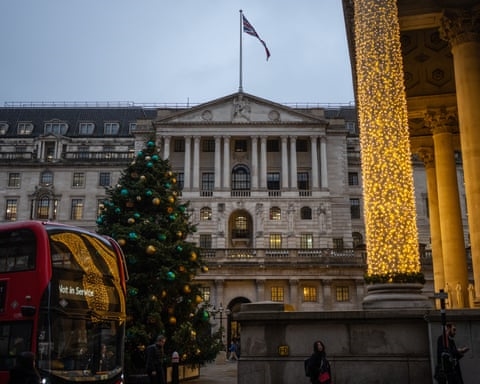
The Bank of England has lowered its benchmark interest rate by a quarter of a percentage point to 3.75%, delivering a modest stimulus to a faltering economy. The decision, however, was not unanimous, revealing a deep-seated debate among policymakers about the appropriate path forward.
The Monetary Policy Committee voted 5-4 in favor of the reduction, marking the sixth such cut in a series that began last year. Officials cited a significant easing in the pace of price increases as a key factor, with inflation now seen moving closer to the official 2% target early next year.
Nevertheless, the narrow vote underscores persistent concerns. Those who favored holding the rate steady pointed to stubbornly high inflation within the services sector and survey data indicating that wage growth is likely to remain elevated. They argued these factors suggest underlying price pressures have become more embedded in the economy.
In a statement, the Bank’s Governor noted that while the peak of inflation appears to have passed, future decisions on rates will become increasingly finely balanced. “With every reduction we enact, determining the extent of further easing becomes a more delicate judgment,” he said.
The rate cut follows recent official data showing inflation cooled to 3.2% last month, aided by slowing food price rises. While still above target, the decline has bolstered the view that the most intense phase of the inflationary surge is over.
Proponents of the cut argued that risks of an economic downturn are now a greater concern, with weak consumer spending and a cooling labor market expected to help curb inflation. The move will provide some relief to borrowers, including homeowners with variable-rate mortgages.
The government welcomed the decision, stating it represents progress for households and businesses facing high borrowing costs. However, union leaders and some business groups called for a more aggressive series of cuts to bolster an economy showing signs of stagnation. Recent estimates indicate the economy contracted slightly in October and is expected to show no growth in the final quarter of the year.
Analysts note that the split vote and cautious official commentary suggest the cycle of rate reductions may be approaching its end, with the pace of any future cuts likely to slow as the Bank navigates the dual challenges of quelling inflation and supporting growth.