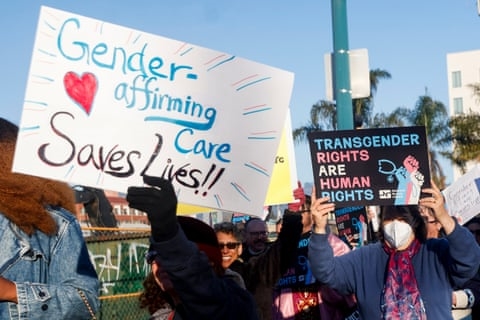
A pair of bills moving through the U.S. House of Representatives, which seek to impose national restrictions on certain medical treatments for minors, are facing strong opposition from healthcare professionals who warn the measures would cause significant harm.
The proposed legislation represents a new federal front in a contentious national debate. One bill would make it a felony, punishable by up to a decade in prison, for medical providers to offer specific treatments to patients under 18. A separate proposal aims to prohibit Medicaid from covering those same treatments for young people, effectively cutting off access for many families.
Advocates and medical experts argue these efforts are misguided and dangerous. They point to a substantial body of research indicating that access to supportive, comprehensive healthcare is vital for the well-being of young people, and is strongly associated with improved mental health outcomes.
“The data is clear: when young people have access to affirming, professional care, their risk of severe depression and suicide decreases dramatically,” said one psychiatrist involved in advocacy efforts this week. “These bills would strip away that critical support system, directly contradicting the medical evidence.”
The debate extends beyond the specific treatments in question. Critics warn that such legislation creates a climate of fear for providers and can have a chilling effect on broader healthcare practices. They draw parallels to restrictive laws in other areas of medicine, where narrow statutes have led to widespread confusion and restricted necessary care for a larger patient population.
“At its core, this is about whether politicians or medical professionals should determine appropriate care,” the psychiatrist added. “When you legislate against established medical practice, you aren’t protecting children—you are denying them healthcare that can be lifesaving.”
Supporters of the bills frame them as necessary protections. However, medical professionals on the ground describe a different reality, where the majority of care for young people involves non-invasive support, such as social transition and counseling. They emphasize that more involved medical interventions are rare, carefully considered, and follow rigorous, long-established clinical guidelines.
The human cost, opponents stress, is unacceptable. They cite recent surveys showing alarmingly high rates of suicidal ideation among transgender and nonbinary youth, figures they attribute largely to societal stigma and rejection, not to medical care.
“These proposals send a devastating message to an already vulnerable group: that who they are is not valid and that their health is not a priority,” said a nurse specializing in psychiatric care. “We should be expanding access to compassionate, evidence-based care, not criminalizing it. The real danger is in denying that care.”