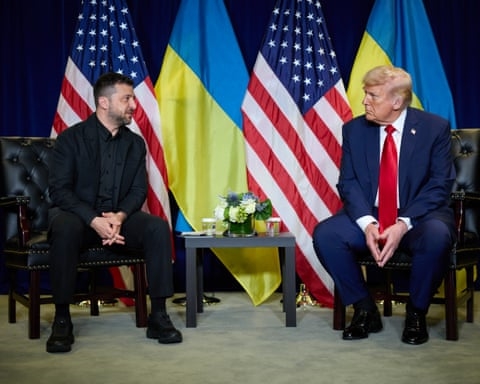
The White House indicated a growing frustration with the pace of diplomatic efforts to end the war in Ukraine. A spokesperson stated that the administration is “sick of meetings just for the sake of meetings” and emphasized the president’s desire for a conclusive resolution. The comments come as Ukrainian leadership faces sustained pressure to agree to a U.S.-brokered peace framework, with key disputes reportedly centering on territorial control and the status of a major nuclear facility.
According to the spokesperson, the U.S. has invested significant diplomatic capital in recent weeks, but the president is “extremely frustrated with both sides.” While aware of a revised proposal from Kyiv, the White House offered no detailed assessment. Reports suggest the current U.S. position involves a withdrawal of Ukrainian forces from contested eastern regions, with the establishment of a special economic zone in areas remaining under Kyiv’s control—a modification of earlier proposals.
Domestic Setbacks and Escalating Tensions
In other developments, a bipartisan group of lawmakers voiced strong opposition to a recent military seizure of a Venezuelan oil tanker, warning the action risks escalating toward open conflict. The administration has justified its increased military posture in the Caribbean by citing concerns over narcotics trafficking.
Separately, the president’s party suffered a notable legislative defeat in a state legislature, where a proposal to redraw congressional district boundaries failed. The measure, which would have created more favorable electoral maps, was rejected by a coalition of lawmakers from both parties.
The U.S. Senate, meanwhile, failed to advance any legislation to extend critical health insurance subsidies, setting the stage for significant cost increases for millions of Americans in the coming year.
Policy Shifts Spark Legal and Social Challenges
The administration’s policy agenda faced additional friction on multiple fronts. New visa screening procedures, which would require applicants from numerous countries to submit extensive personal communication histories, have drawn sharp criticism from civil liberties organizations alleging government overreach.
A high-profile legal case against a political figure ended in a setback for federal prosecutors after a judge dismissed the indictment on procedural grounds, marking the second such attempt to fail.
Public health officials are monitoring a rapidly expanding measles outbreak in one state, attributing its spread to holiday travel and gaps in vaccination coverage.
A former senior military leader expressed concern that deepening political divisions are increasingly affecting junior ranks of the armed forces, potentially undermining the military’s traditional non-partisan stance. This follows an official announcement that armed forces will assume oversight of a large tract of public land along the southern border for a three-year period, signaling a further militarization of border security.