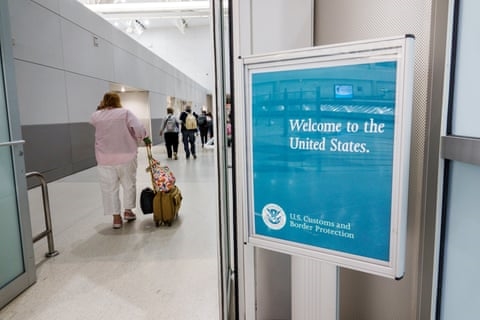
A new federal proposal would mandate that all foreign tourists seeking entry to the United States submit a detailed account of their digital and personal history from the past five years. The measure, if enacted, would represent a significant expansion of border screening protocols.
According to a formal government notice published this week, the requirement would be compulsory for admission. It would apply universally to travelers from every nation, irrespective of whether their country participates in visa-waiver programs. Visitors would be obligated to provide identifiers for all social media accounts used during the five-year period, along with associated email addresses and phone numbers. The disclosure would also extend to comprehensive biographical details for immediate family members, including minors.
The public has a 60-day window to submit comments on the proposal. The agency behind the rule did not respond to inquiries from news organizations.
The timing of this initiative raises logistical concerns for major international events. Notably, it coincides with the lead-up to the FIFA World Cup, set to be hosted jointly by the U.S., Canada, and Mexico next year, an event typically attracting hundreds of thousands of international soccer fans.
This move follows a broader trend of tightening immigration and travel policies, which industry analysts link to a marked downturn in international tourism. Recent state-level data forecasts a continued decline in foreign visits, with some major tourist destinations reporting steep drops in foot traffic over the past summer. Cross-border travel statistics from Canada also show a sharp reduction in trips to the U.S. compared to the previous year.
The proposed social media screening is part of a series of recent measures affecting visitors and immigrants. Other actions include new financial surcharges for access to national parks and a shift in their free-admission days. Authorities have also intensified scrutiny of visa applications for workers, students, and journalists, with a focus on applicants’ online expressions and professional backgrounds.
Border officials assert the authority to examine the electronic devices of anyone arriving at U.S. ports of entry. While travelers may refuse such searches, doing so can result in denial of entry. Although official figures from prior years reported tens of thousands of device searches, analysts suggest such inspections could become far more frequent under the current policy direction.