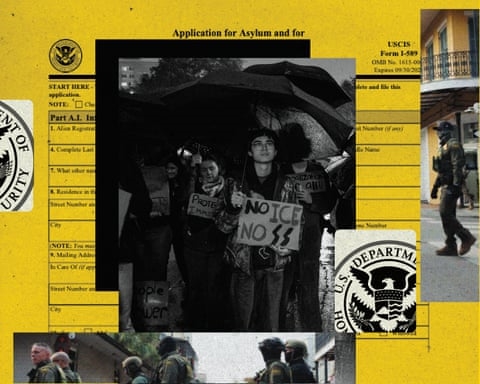
In the wake of a fatal attack on two National Guard members near Washington D.C., the administration has unveiled a series of stringent new immigration measures, signaling a dramatic shift in U.S. policy.
The incident, which occurred on November 26th, resulted in the death of one guardsman and left another critically wounded. The suspected assailant is a recent arrival from Afghanistan who had been granted legal asylum earlier this year after a vetting process. Authorities report the individual had been struggling with severe mental health issues.
The President’s response, however, extended far beyond the specifics of the case. In a series of public statements, he called for a permanent halt to migration from what he termed “third world countries” and vowed to review the status of millions of individuals admitted under the previous administration. He further pledged to initiate the removal of any foreign nationals deemed “non-compatible with Western Civilization” and to revoke the citizenship of naturalized Americans who “undermine domestic tranquility.”
A senior White House official defended the broad scope of the proposed actions, arguing that immigration at scale imports societal conditions rather than just individuals, and therefore constitutes a national security concern.
This rhetoric has been followed by intensified enforcement operations. Federal immigration authorities have launched new initiatives in several major cities, setting arrest targets that local officials criticize as unrealistic and likely to ensnare individuals without criminal records. The Secretary of Homeland Security has concurrently recommended a comprehensive travel ban affecting dozens of unspecified nations, a move that would significantly expand previous immigration restrictions.
The policy shift has had an immediate chilling effect. Community advocates report that some immigrant populations, particularly in areas like Minnesota, are fearful of attending work or school, apprehensive about potential detention. Some legal permanent residents have also seen scheduled citizenship appointments abruptly canceled.
Legal scholars have begun to question the legality of certain proposals, particularly those involving the revocation of green cards or citizenship based solely on national origin. They argue that while presidential authority over entry is broad, it does not extend to negating lawful permanent status without due process.
Political analysts suggest the administration’s hardened stance may be linked to recent electoral setbacks, representing an effort to rally its political base. Critics within the former President’s own party have condemned the language used, warning that it incites fear and division, and risks alienating immigrant communities that include many political conservatives.
The administration maintains that these steps are necessary to safeguard national security and protect American communities, framing the policy as a corrective to what it describes as decades of failed immigration systems. The coming weeks are expected to see continued operational activity from federal agencies and likely legal challenges to the new directives.