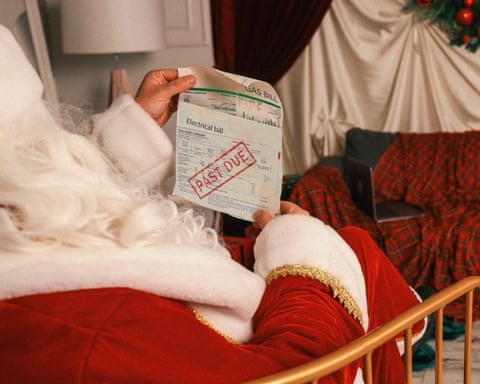
A wave of financial caution is sweeping across the United States ahead of the holiday season, with many households scaling back on traditional gift-giving and celebrations. Widespread concerns over rising living costs and a softening job market are leading to more restrained spending plans.
Across the country, individuals report that higher prices for essentials, from groceries to insurance, are limiting their discretionary budgets. “The cost of everything has increased, making luxuries feel out of reach,” noted one consumer, who, like many, has decided to forgo exchanging gifts with immediate family this year. This sentiment is echoed by retirees and fixed-income earners who say they have significantly cut back on dining out, travel, and other non-essential expenses.
The economic apprehension appears to be reflected in broader measures of consumer confidence, which have reportedly declined in recent months. This coincides with a gradual uptick in national unemployment figures, adding job security to the list of public worries. “It’s more than just prices; there’s a sense of instability and concern about the future,” shared another individual, highlighting the multifaceted nature of the current economic anxiety.
Industry forecasts anticipate a dip in holiday retail spending compared to last year’s levels. In response, some shoppers are adopting alternative strategies, such as committing to handmade gifts, shopping secondhand, or focusing their spending exclusively at local small businesses. “We try to direct any money we do spend into our local community,” explained one person, framing consumer choices as a form of economic participation.
This season’s spending patterns suggest a pronounced shift toward frugality and intentionality, as Americans navigate an uncertain economic landscape by prioritizing necessities and seeking value in more personal, less commercial celebrations.