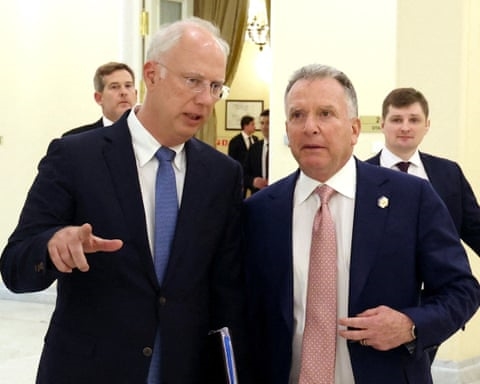
The recent publication of intercepted phone conversations, revealing how a senior adviser to former President Donald Trump reportedly coached a Kremlin official, has sent shockwaves through diplomatic circles. While the content confirms long-held suspicions about the adviser’s alignment with Russian interests, an equally pressing question has emerged: who provided the sensitive audio to the press?
The recordings feature discussions between Trump envoy Steve Witkoff and top Kremlin aide Yuri Ushakov, as well as a separate call between Ushakov and another Russian official involved in negotiations. The conversations reportedly show Witkoff advising the Kremlin on how to favorably position itself with the Trump administration.
News organizations published the story without standard attribution, a move analysts suggest was intended to protect the source. The outlet stated it had “reviewed and transcribed audio” but offered no details on verification. Ushakov, in subsequent comments, did not deny the calls’ authenticity, instead calling their leak “unacceptable” and hinting they may have occurred over less secure channels like WhatsApp.
The substance of the leaks has intensified scrutiny of Witkoff’s role. However, the act of leaking such material is considered highly unusual and risky within intelligence communities. By exposing the intercept, the source likely compromised a valuable surveillance channel, as targets would now be expected to change their communication methods.
Speculation on the source is widespread. While Russian intelligence has a history of leaking compromising information, analysts see little obvious motive for Moscow to damage a key aide and a sympathetic American contact. Ukraine, deeply opposed to Witkoff’s negotiation stance, possesses a clear motive but would face severe repercussions if caught targeting a U.S. official, making such a bold move questionable.
Several former intelligence officials point toward a source within the U.S. security apparatus itself. The fact that raw audio was provided, not just a summary, suggests access to primary intelligence collection. This points to agencies like the CIA or NSA, where significant internal dissent exists regarding current foreign policy. Yet, for a disgruntled official, leaking such material would be an extraordinarily dangerous act.
An alternative theory suggests a horrified European intelligence service, alarmed by the adviser’s pro-Russian posture, could be responsible. Regardless of the origin, the leak represents a significant breach and underscores the deep tensions surrounding diplomatic outreach to Moscow. The identity of the source remains one of the story’s most guarded secrets.