A prominent Palestinian human rights organization is facing severe operational challenges and international isolation after being targeted by U.S. sanctions. The measures have effectively cut the group off from its financial lifelines and silenced many of its traditional allies.
The organization, which has documented alleged human rights violations in the West Bank for decades, now finds its staff working without salaries after several banks closed its accounts. Major online platforms have removed its content, and crucially, former partner organizations based in the United States have severed public ties, fearing repercussions from the American government.
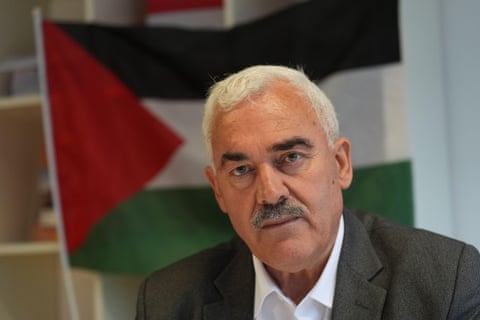
The director of the group expressed profound disappointment at this retreat by international civil society. “There is a deep pain when those you stood with step back into silence,” he stated, arguing that defending human rights requires defiance against what he termed unjust laws. He called for a more robust challenge to the sanctions regime.
The U.S. government justified the sanctions by citing the group’s support for an International Criminal Court (ICC) investigation. American officials have consistently rejected the court’s jurisdiction over its allies. However, observers note this action is part of a wider pattern of pressure against organizations, particularly those advocating for Palestinian rights, under the banner of combating foreign overreach and protecting national security.
The practical impact has been devastating. The group cannot receive foreign donations or pay its employees. While some staff continue to work voluntarily, supported by private contributions, the sanctions have triggered a cascade of disengagement. Even service providers like email platforms have restricted access. Legal experts suggest that U.S.-based nonprofits now view any association with the sanctioned entity as a significant legal and financial risk, leading to widespread self-censorship and a chilling effect on advocacy.
This is not the first time the group has been targeted. It was previously designated as a terrorist organization by Israeli authorities, a move that was met with skepticism by some international agencies and distanced by the subsequent U.S. administration. The group has denied all allegations of unlawful activity, framing the latest sanctions as a political maneuver designed to stifle calls for accountability.
“We are witnessing a global struggle between the rule of law and the rule of force,” the director said. He vowed that his organization would continue its legal and peaceful work, submitting evidence to international bodies. He framed the situation as a critical test for the international community, asserting that the response to pressure on Palestinian rights defenders will set a precedent for civil society worldwide.
The group’s leadership acknowledges the difficult position of its American counterparts but urges a more strategic and public resistance. The current climate, they warn, rewards compliance and threatens to permanently weaken networks of solidarity and justice.