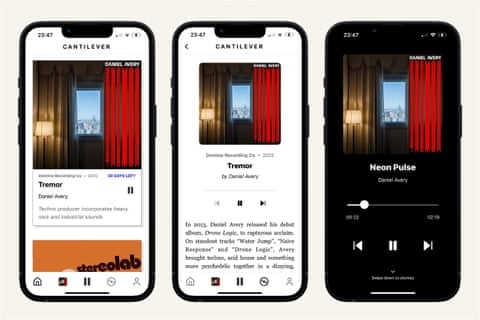
A growing movement of independent music services is emerging, positioning itself as a thoughtful alternative to the dominant, algorithm-driven streaming giants. These new platforms, including Nina Protocol, Cantilever, and Subvert, share a common mission: to deliver more revenue directly to artists and foster a more meaningful, curated experience for listeners.
This shift comes amid increasing scrutiny of the mainstream streaming economy. Critics argue that the prevailing model reduces music to a commodity, where success is often measured by algorithmic placement in generic playlists rather than artistic connection. In response, a cluster of niche services is building a different vision.
Unlike the vast, impersonal libraries of major platforms, these newcomers prioritize selectivity and context. For instance, Cantilever operates on a model inspired by curated film services, featuring a limited, rotating selection of albums accompanied by editorial content to deepen the listening experience. “It’s akin to a music magazine you can actually listen to,” notes one of its founders.
Financially, their approach is fundamentally different. By operating with a much smaller roster of artists and often employing user-centric payment models—where a subscriber’s fee only supports the music they personally stream—these platforms can generate significantly higher per-stream payouts. Early estimates suggest an album on such a service could earn the equivalent of a million streams on a major platform from just a few thousand subscribers.
Industry observers suggest this trend reflects a broader cultural disillusionment with digital “slop” and a desire for more intentional consumption. “There’s a growing awareness and a want for more control over what we consume,” says Mike Pollard of Nina Protocol. He draws a parallel to users migrating from large, chaotic social media networks, noting a collective “waking up” to the value of choice.
While executives at major streaming companies contend they are successfully growing the overall revenue pie for artists, proponents of the new wave believe there is ample room for models that slice the pie differently. They argue that a healthy ecosystem shouldn’t be a monolith but can include services that offer depth, curation, and community alongside scale.
For now, these independent platforms view themselves as complements rather than direct competitors to the giants. However, they represent a clear signal: a segment of both artists and listeners is actively seeking a more dignified and financially sustainable relationship with music in the digital age. Whether this remains a niche concern or heralds a more significant shift in listening habits is a story just beginning to unfold.